














Top 6 Trends in Commercial Cleaning & Facility Maintenance in 2026
Introduction
Commercial cleaning and facility maintenance are undergoing a significant transformation as organisations respond to operational pressure, labour challenges and rising expectations around hygiene and efficiency. In 2026, facilities teams are expected to support safety, compliance, sustainability and customer experience at the same time. As these demands increase, businesses are turning to smarter technologies and more strategic approaches to keep operations running smoothly. Understanding the key trends shaping the industry helps decision makers prepare for what is ahead and choose solutions that deliver long-term value.
In this blog, we will discover the top six trends reshaping commercial cleaning and facility maintenance in 2026.
24/7 Operational Models
Many modern facilities now operate beyond traditional working hours. Warehouses, shopping centres, transport hubs, and commercial buildings increasingly run extended schedules or continuous operations. This shift requires cleaning solutions that can function outside standard cleaning windows.
Autonomous systems that operate independently enable cleaning to take place overnight or during low traffic periods without disrupting daily activity. The ability to maintain cleanliness around the clock supports compliance, safety, and productivity in environments where downtime is limited.
Labour Shortages Driving Automation
Labour shortages continue to place significant pressure on facility management across healthcare, logistics and large commercial environments. Recruiting and retaining cleaning staff has become increasingly challenging, with many teams expected to maintain larger areas using fewer resources. This imbalance not only affects service consistency but also increases operational strain and staff fatigue.
As a result, automation is becoming a practical and strategic solution in modern facility management. Robotics and intelligent cleaning systems enable organisations to maintain consistent hygiene standards without expanding headcount. By automating repetitive and labour-intensive tasks, facilities can redeploy human teams to higher value responsibilities such as supervision, quality assurance and safety management.
This approach supports Human Robot Collaboration, where automation and employees work together rather than in isolation. Cleaning robots can manage physically demanding tasks such as floor scrubbing and large area coverage, reducing ergonomic strain and repetitive workload. Staff is then able to focus more effectively on high-contact areas, customer-facing spaces and tasks that require judgment and adaptability.
A structured collaboration between robotics and human teams creates clearer role definitions and more predictable workflows. This clarity helps reduce burnout and turnover while supporting a positive working environment where employees understand their contribution. When automation is incorporated into workload scheduling, facilities gain a reliable method of maintaining hygiene standards despite staffing constraints. By aligning robotic capability with human expertise, organisations can improve return on investment while enhancing staff satisfaction and long-term retention.
Robotics Adoption
Autonomous cleaning driven by advanced technology and robotics is a key trend in facility management in 2026.
“Businesses are deploying cleaning robots to reduce labour costs, improve cleaning outcomes, and ensure consistent cleanliness in commercial spaces such as offices, hotels, and healthcare facilities.” The Niche Research Team
Robotics adoption is accelerating as organisations recognise its practical value in live operational settings. Autonomous cleaning robots are being deployed in shopping centres, healthcare facilities and large indoor spaces to provide consistent and measurable results.
Unlike manual processes, robotic systems can follow programmed routes, maintain steady performance and reduce variation in cleaning quality. SPARK Robotics solutions are designed specifically for real-world environments where reliability, safety and adaptability are essential. As confidence in robotics grows, businesses are shifting from trial deployments to long-term integration.
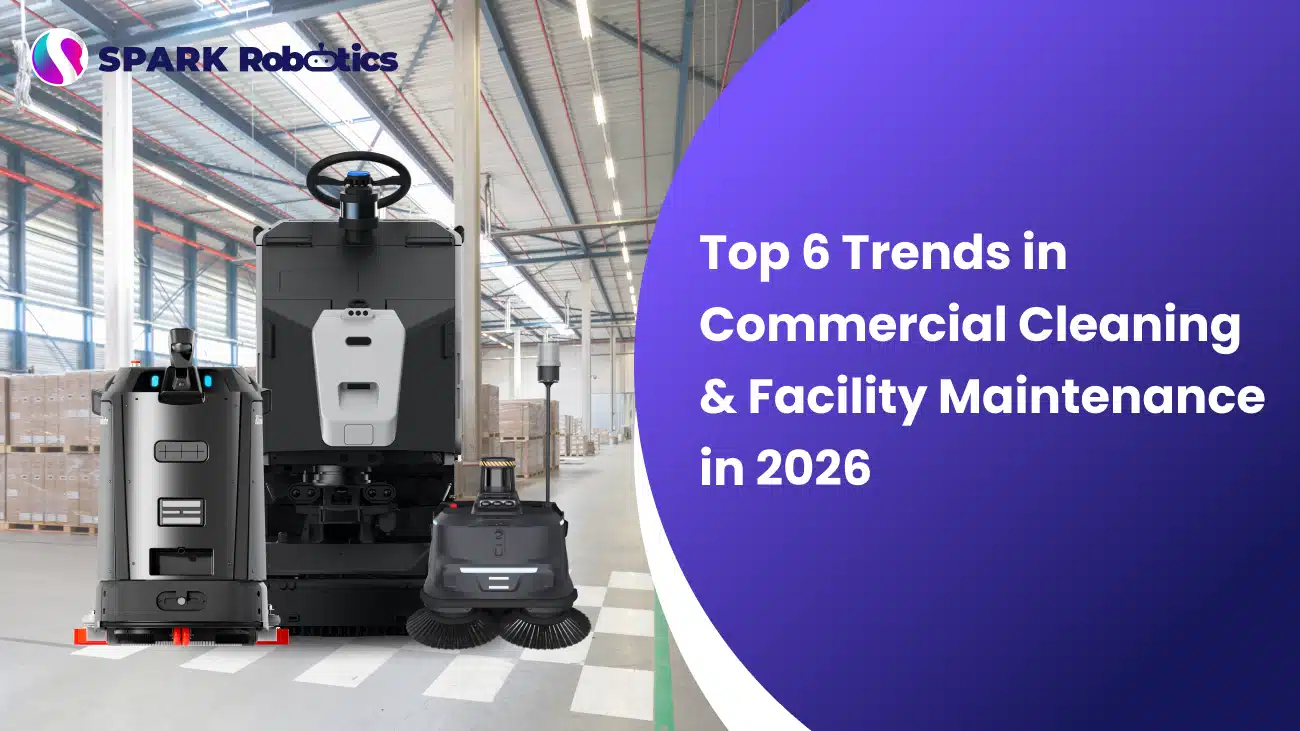
Autonomous robots such as the CC1 Pro support custodial teams by efficiently cleaning multiple floor types, helping maintain safe and spotless surfaces while reducing manual workload and improving staff satisfaction.
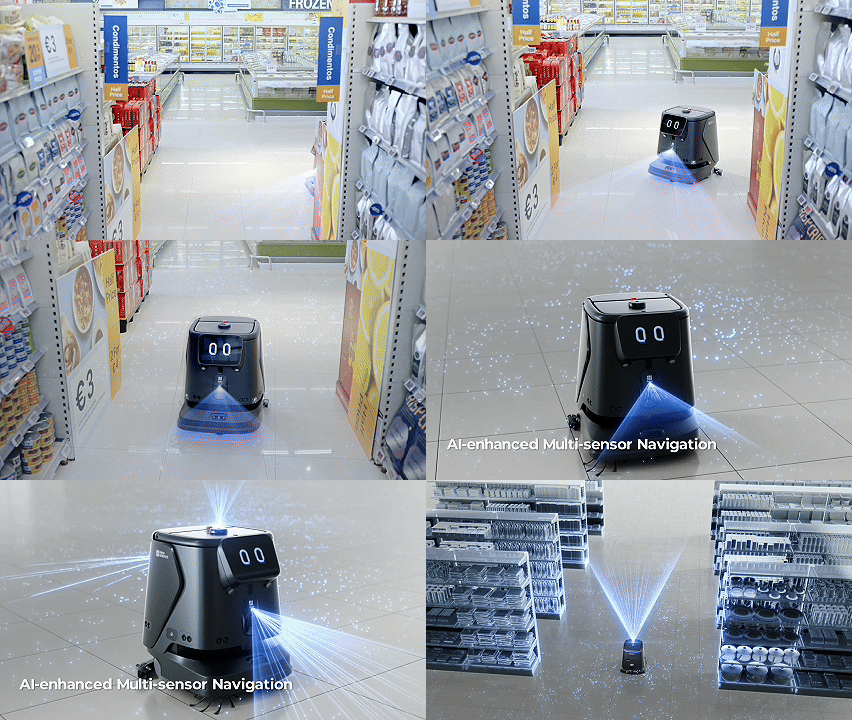
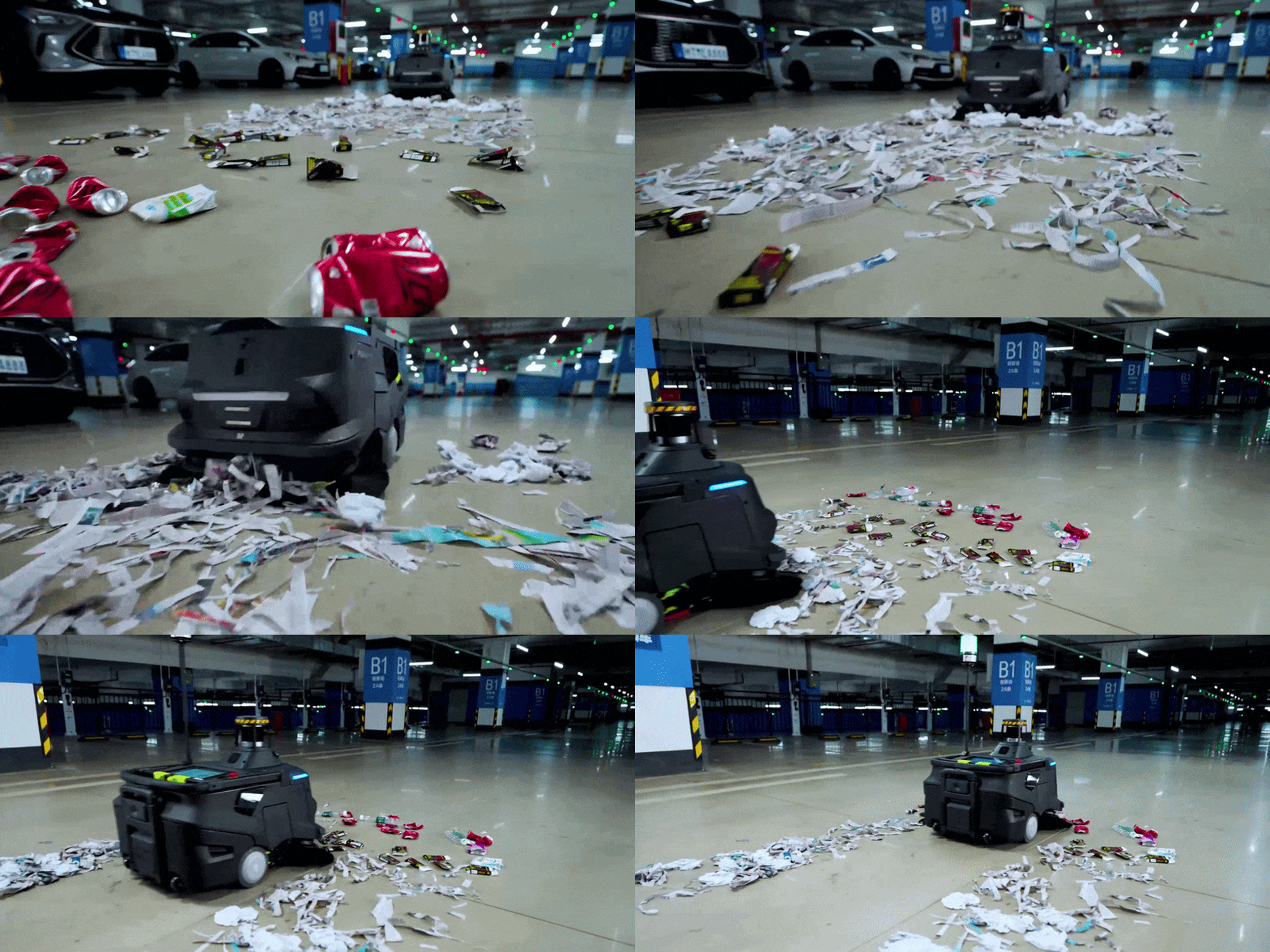
The L3 cleaning robot further strengthens this capability by delivering intelligent autonomous cleaning designed for complex, high-traffic environments. Built for continuous operation, L3 can navigate dynamic spaces, adapt to changing surroundings and maintain consistent cleaning standards without constant supervision. This makes it particularly valuable for facilities seeking scalable, reliable solutions that support both operational efficiency and hygiene compliance.
Facility Technology and IoT
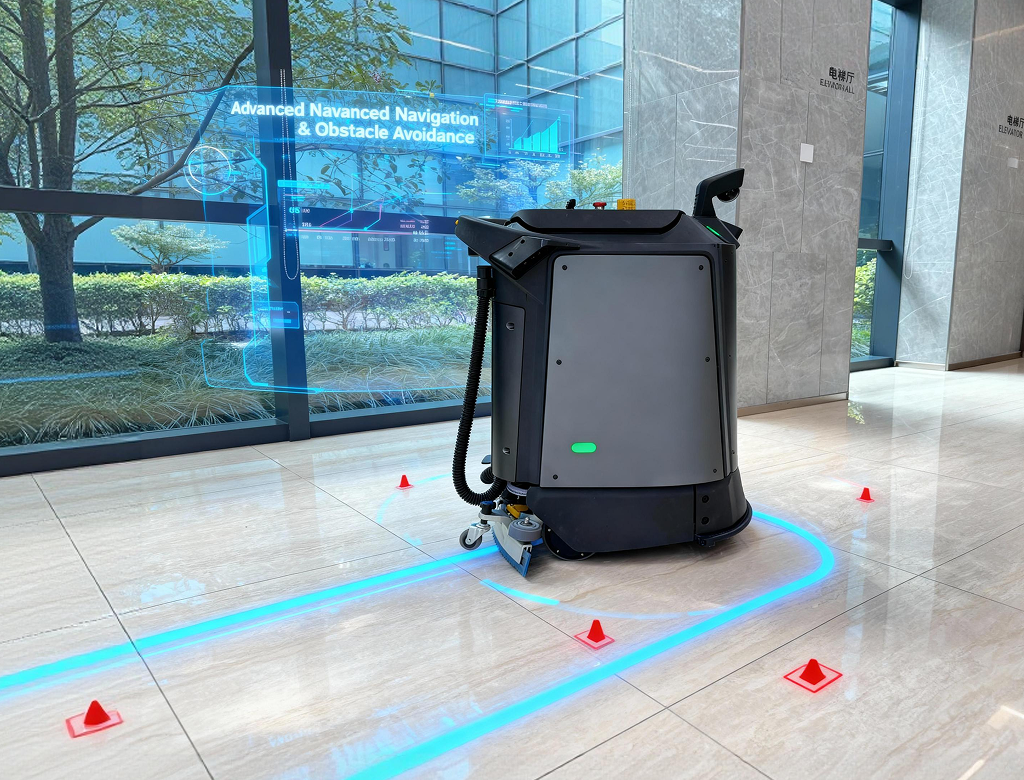
In 2026, facility technology and IoT integration will continue to play an increasingly important role across the UK. IoT-enabled systems allow managers to monitor equipment performance, cleaning schedules and operational metrics in real time. This level of visibility helps teams identify inefficiencies, optimise resource allocation and respond quickly to issues, supporting more informed decision-making across facility operations.
“Globally, 70% of facility managers have elevated digital transformation to a core strategic position. This isn’t a fleeting trend but a tangible, pressing shift highlighting the sector’s urgent need to upgrade and innovate.” – Eric Whitley, IFMA
Integration between cleaning systems and facility management platforms is creating more coordinated environments where decisions are based on data rather than estimation. IoT sensors can track factors such as air quality, usage patterns and foot traffic, enabling maintenance to be scheduled according to real demand. This connected approach supports the development of smart buildings, improving energy efficiency, reducing waste and enhancing comfort for occupants and visitors through more responsive cleaning strategies.
IoT is also transforming automated cleaning robots operating in complex facilities. It saves time and money by linking robots, like the Beetle industrial cleaning robot, to the gate control so the robot can handle multiple areas. IoT-equipped robots can monitor energy use, water and cleaning solution consumption, and maintenance frequency, increasing resource management efficiency and decreasing operating costs.
Looking ahead, SPARK Robotics is developing IoT-integrated robotic fulfilment solutions that enable end-to-end automation. By combining connected infrastructure with intelligent robotics, SPARK is helping organisations move towards automated retail, smart hospitality environments and frictionless customer journeys.
Sustainability and ESG-Friendly Solutions
At a broader level, businesses are increasingly prioritising environmentally responsible operations. Advances in sustainable materials, waste management practices and renewable energy are influencing how facilities are built and maintained.
Environmental responsibility has become a strategic priority for many organisations. Facility managers face growing pressure to reduce water usage, minimise chemical consumption and lower energy demand while maintaining high standards of cleanliness and compliance.
Intelligent cleaning technologies support these goals by optimising resource use and reducing unnecessary waste. Sustainable practices are now measurable requirements tied to corporate ESG commitments. Facilities that adopt efficient cleaning systems are better positioned to meet environmental targets while maintaining operational performance.
In the UK, sectors such as healthcare and hospitality increasingly favour autonomous cleaning robots that provide measurable cleaning performance through data reporting. Floor cleaning robots equipped with path mapping technology reduce redundant coverage and optimise water and solution usage, making them a more resource-efficient choice for commercial and industrial environments.
AI-powered cleaning robots such as MT1 Max are designed for demanding industrial spaces, including warehouses and manufacturing facilities. They can operate safely in hazardous or low-light areas, supporting worker safety while maintaining consistent cleaning standards.
Experience-Led Facilities
Commercial spaces are increasingly designed with user experience in mind. Shopping centres, offices, hotels and public venues recognise that cleanliness, safety and innovation influence how visitors perceive a space. Visible technology, such as service or cleaning robots can contribute to this experience by signalling efficiency, modernisation and attention to detail. Beyond appearance, improved cleanliness and smoother operations create environments where visitors feel more comfortable and confident. As competition grows across sectors, experience-led facilities are becoming a key differentiator.
Is Your Facility Future-Ready?
The commercial cleaning and facility maintenance landscape in 2026 is defined by automation, connectivity and rising performance expectations. SPARK Robotics supports practical solutions for businesses to operate with greater confidence and control.
If you are exploring ways to modernise your facility operations and prepare for the next phase of industry change, speak to the SPARK Robotics team and discover how intelligent automation can support your operation.