














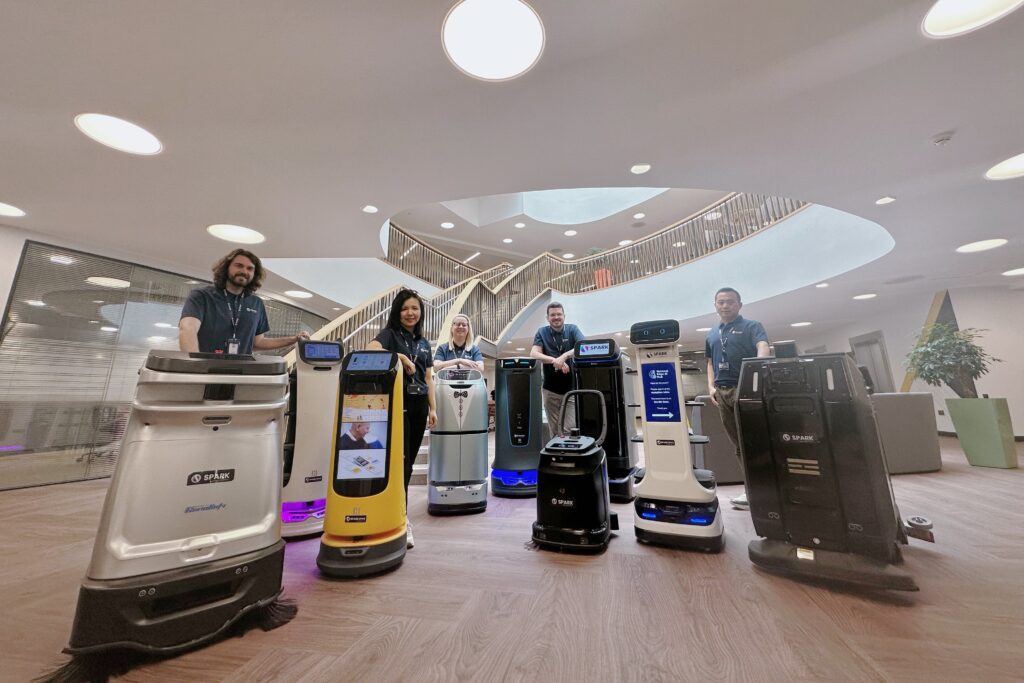
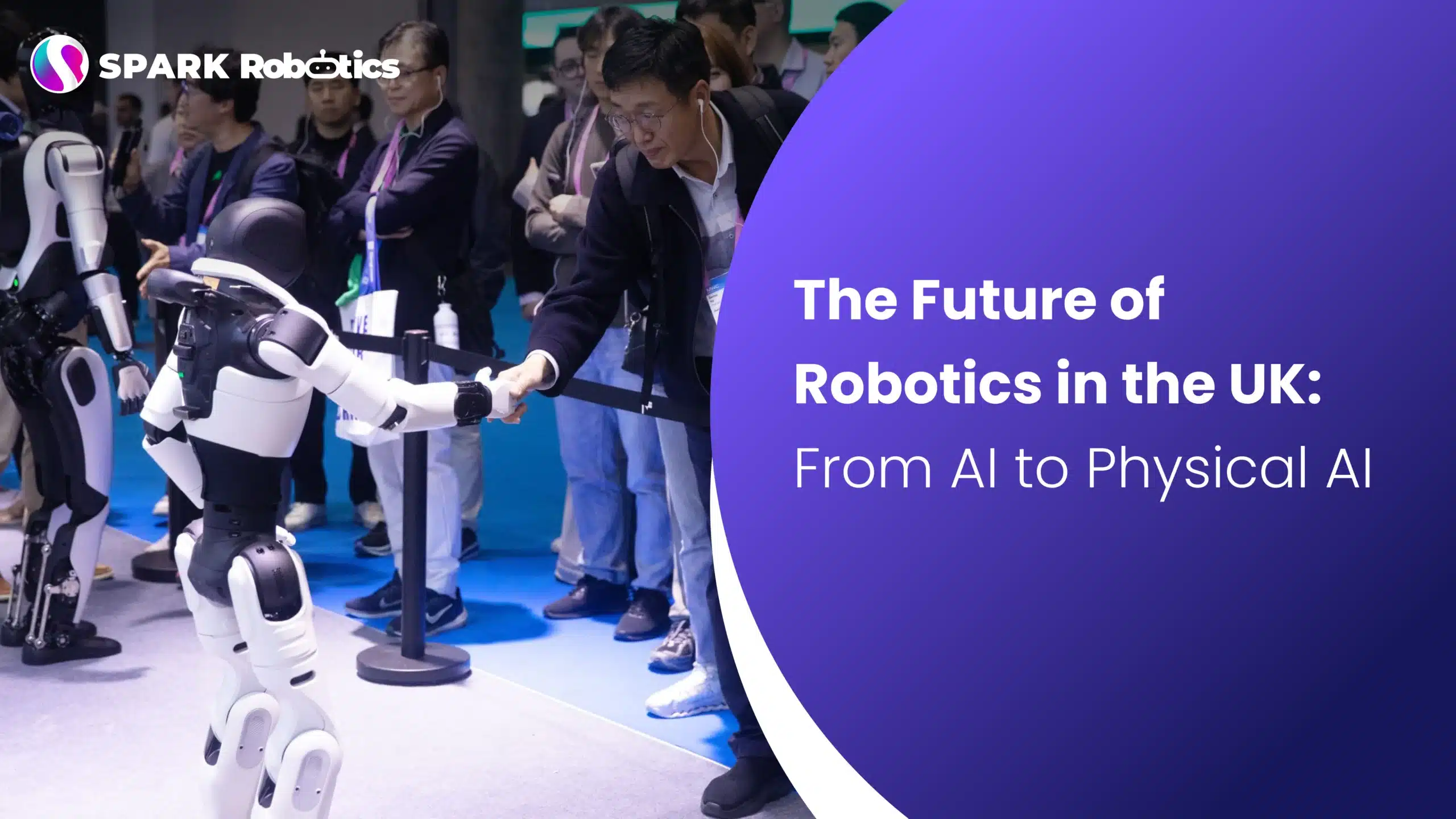
The Future of Robotics in the UK: From AI to Physical AI
Introduction
Across the UK, digital automation is driving rapid change across hospitality, retail and logistics. While artificial intelligence has largely been discussed in digital terms, a new phase is emerging where intelligence moves into real-world environments.
Recent industry developments, highlighted at events such as NVIDIA GTC 2026, point to the rise of physical AI. This refers to machines that can perceive, understand and act within live environments, rather than simply following predefined tasks.
In this blog, we will explore what physical AI means, why robotics is becoming part of core operations, and how this shift is already taking shape across UK industries.
What Is Physical AI and Why It Matters
Physical AI marks the transition from software-based intelligence to machines that can operate in real environments. Unlike traditional automation, which follows fixed instructions, physical AI enables robots to respond dynamically to changing surroundings. This allows robots to navigate busy environments, interact with people and perform tasks with greater flexibility. For industries such as hospitality and logistics, where environments are unpredictable and fast-paced, this capability is particularly valuable. Rather than being limited to repetitive functions, robots are becoming adaptable tools that support a wide range of operational needs.
Robotics Is Becoming Part of Everyday Operations
Robotics is increasingly being adopted as part of daily operations across multiple sectors in the UK. Businesses are facing ongoing challenges including labour shortages, rising costs and increasing demand for efficiency. These pressures are encouraging organisations to explore practical automation solutions that can support their teams.
Robotics addresses these challenges by taking on repetitive and time-intensive tasks, allowing staff to focus on customer experience, service quality and higher value responsibilities. We are already seeing this shift in UK hospitality, retail and commercial environments, where robotics is being deployed to support operations rather than simply tested as innovation.
Real World Applications Across Industries
The impact of this shift is already visible across a range of sectors.
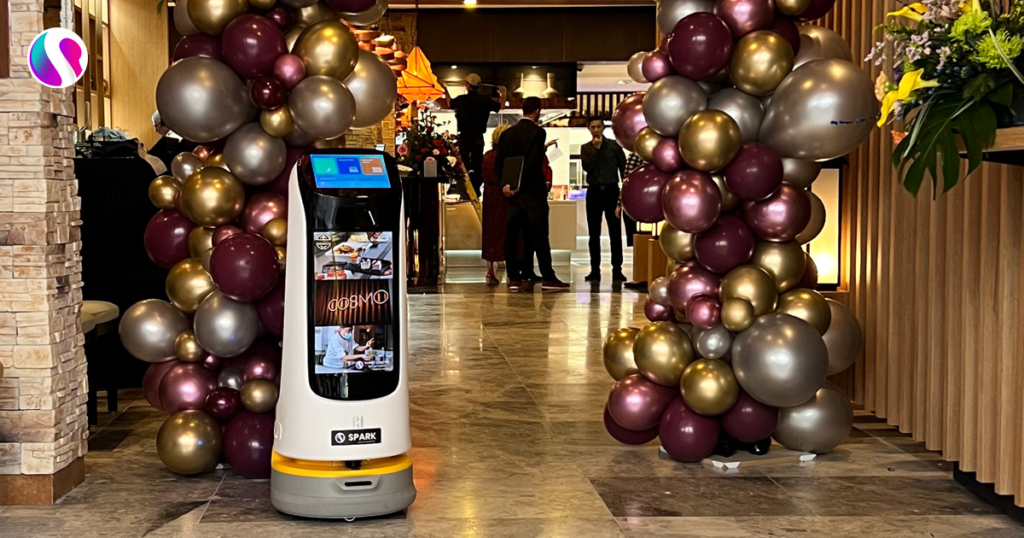
In hospitality, robots are supporting a range of service functions including room service delivery, guest interaction and cleaning. These solutions help hotels maintain consistent service standards during busy periods while reducing the pressure on operational teams. For example, service robots can handle routine delivery tasks such as amenities and room service, allowing staff to remain focused on front-of-house service and guest experience.

Retail businesses are using robotics to enhance both customer engagement and store operations. Robots can guide customers, promote products and support in-store marketing, while also assisting with operational tasks such as monitoring store activity and maintaining clean and organised spaces. This creates a more interactive shopping experience while improving operational efficiency.
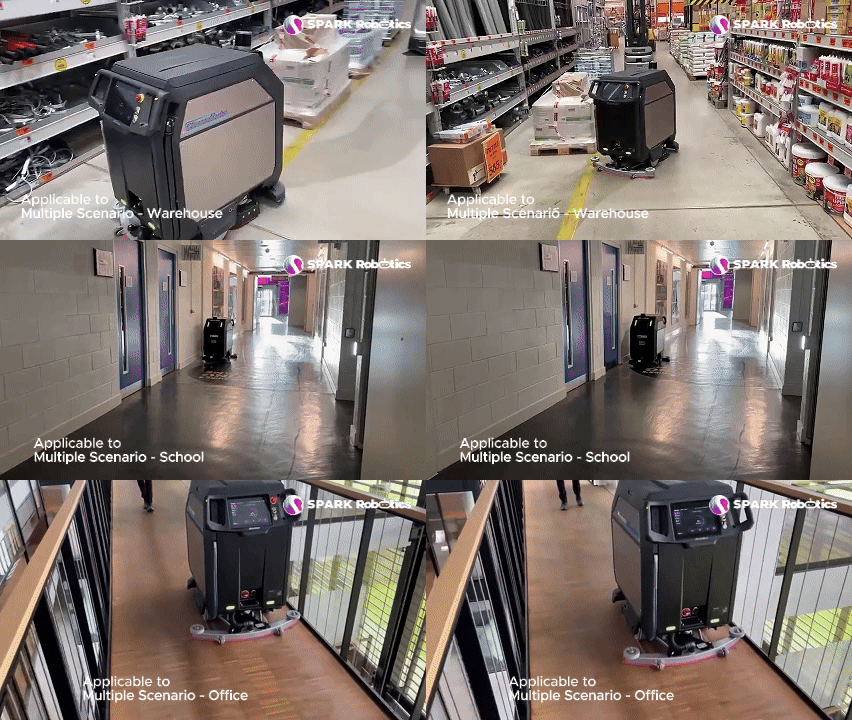
In logistics and warehouse environments, robotics is already playing a critical role in managing large-scale operations. Autonomous robots are used for cleaning, transportation and handling repetitive tasks across extensive facilities. These solutions help maintain safety standards, improve consistency and reduce reliance on manual labour, particularly in environments that operate around the clock.
Is Robotics Too Early for Adoption
Some businesses may still view robotics as an emerging technology and prefer to delay adoption until it becomes more established. Concerns around cost, integration and staff adaptation are common. While these concerns are understandable, the pace of development in robotics is accelerating rapidly. What was once considered experimental is now being deployed in real environments across multiple industries.
Businesses that wait too long may find themselves at a disadvantage compared to competitors who are already exploring and implementing these solutions. Early adoption allows organisations to build experience and adapt gradually as the technology evolves.
Want to Stay Ahead in the Next Phase of Robotics?
The shift from digital AI to physical AI represents a significant change in how businesses operate. Robotics is moving beyond innovation and becoming a practical tool for improving efficiency, supporting teams and enhancing customer experience.
For UK businesses, this is an opportunity to rethink operations and adopt solutions that address real-world challenges.
Discover how SPARK Robotics can help your business adopt practical, real-world automation that supports your team and improves operational performance. Book a robotic demo today.