














Humanoid Robots: The Next Evolution of Service Robotics
Introduction
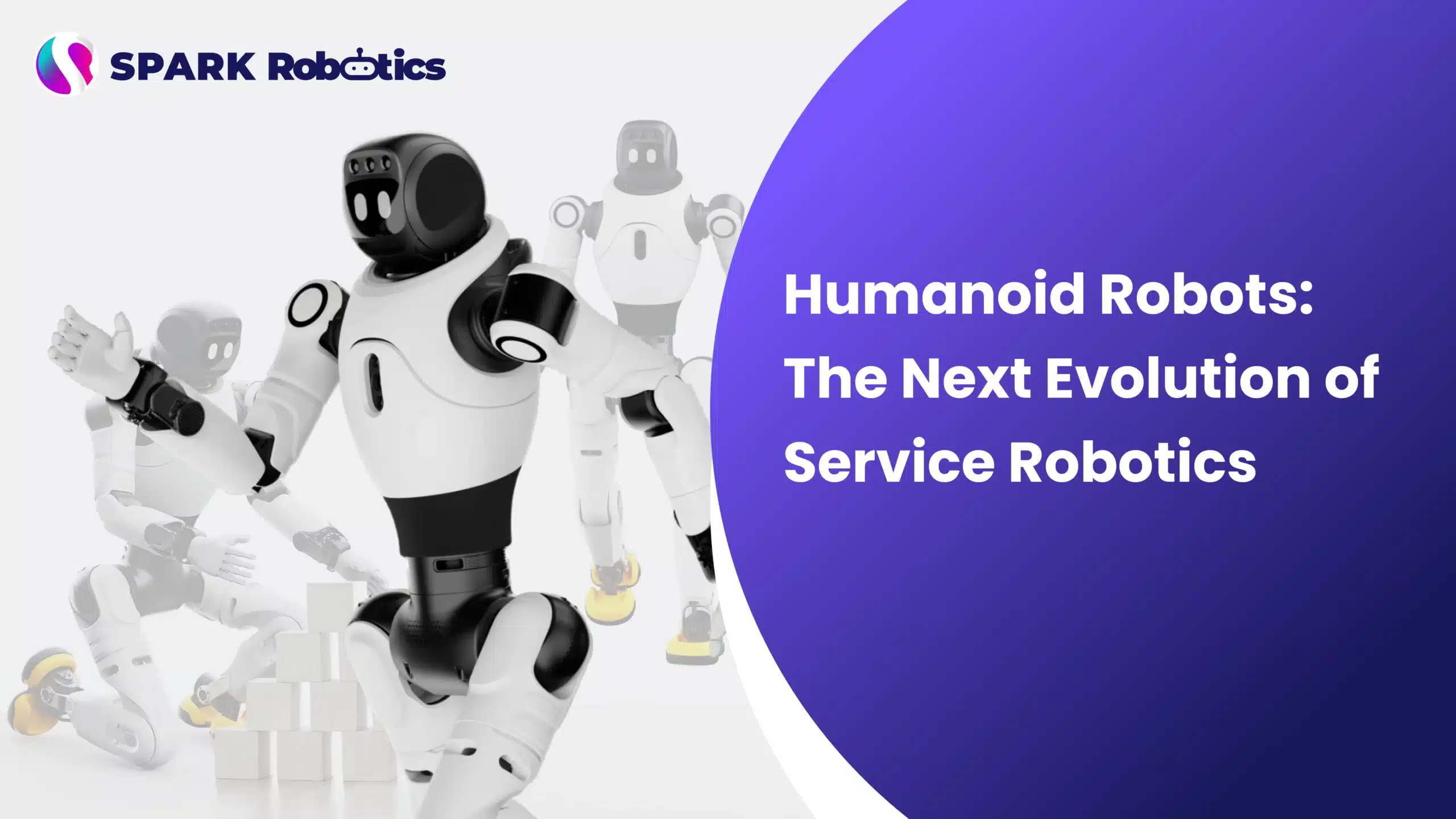
Humanoid robots are emerging as one of the most exciting technologies shaping automation in 2026. While adoption is still in its early stages, the hospitality industry in the UK is already preparing for this transformation. A new generation of robotics is bringing automation closer to human interaction than ever before. Humanoid robots represent the next evolution of service robotics, designed to operate naturally in environments originally built for people.
In this blog, we will discover:
- How humanoid robots differ from traditional robots
- Why are businesses choosing humanoid robots
- The growing role of humanoid robotics
How Humanoid Robots Are Different from Traditional Robots
Traditional robots are often designed for specific tasks in controlled environments such as factories or warehouses. These machines are highly efficient but typically limited to repetitive functions within predefined spaces. Humanoid robots are designed differently. Their human-like structure allows them to move through environments such as corridors, reception areas and service counters that were originally designed for human workers.
With advanced mobility, sensor systems and AI interaction capabilities, humanoid robots can perform a wider range of tasks while navigating complex environments safely. This adaptability makes them particularly suitable for service industries that require interaction and flexibility.
Why Are Businesses Choosing Humanoid Robots
Multi-Purpose Capabilities
One of the key advantages of humanoid robots is their ability to perform multiple roles. Unlike specialised robots that focus on a single function, humanoid robots can assist with reception services, information guidance, delivery tasks and operational support. This versatility allows businesses to deploy one robotic system across different service scenarios.
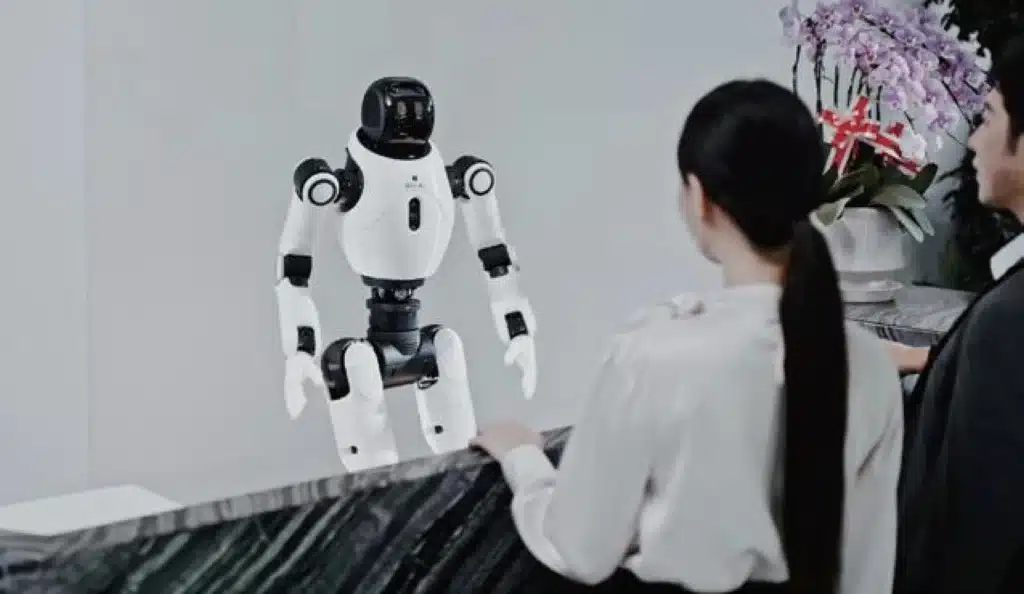
In hospitality environments, humanoid robots can assist with reception duties, greeting guests, providing directions and supporting visitor enquiries. In retail spaces, they can guide customers to product areas, promote featured items or support marketing activities. In offices, exhibition venues and public spaces, humanoid robots can act as information assistants, helping visitors navigate the environment and access relevant services.
This versatility allows businesses to use one robotic platform across multiple scenarios rather than investing in separate machines for different tasks. As software capabilities and artificial intelligence continue to improve, humanoid robots will become even more adaptable, enabling businesses to expand their use cases over time. This multi-purpose capability makes humanoid robots a flexible and future-ready solution for organisations exploring service automation.
Human Friendly Interaction
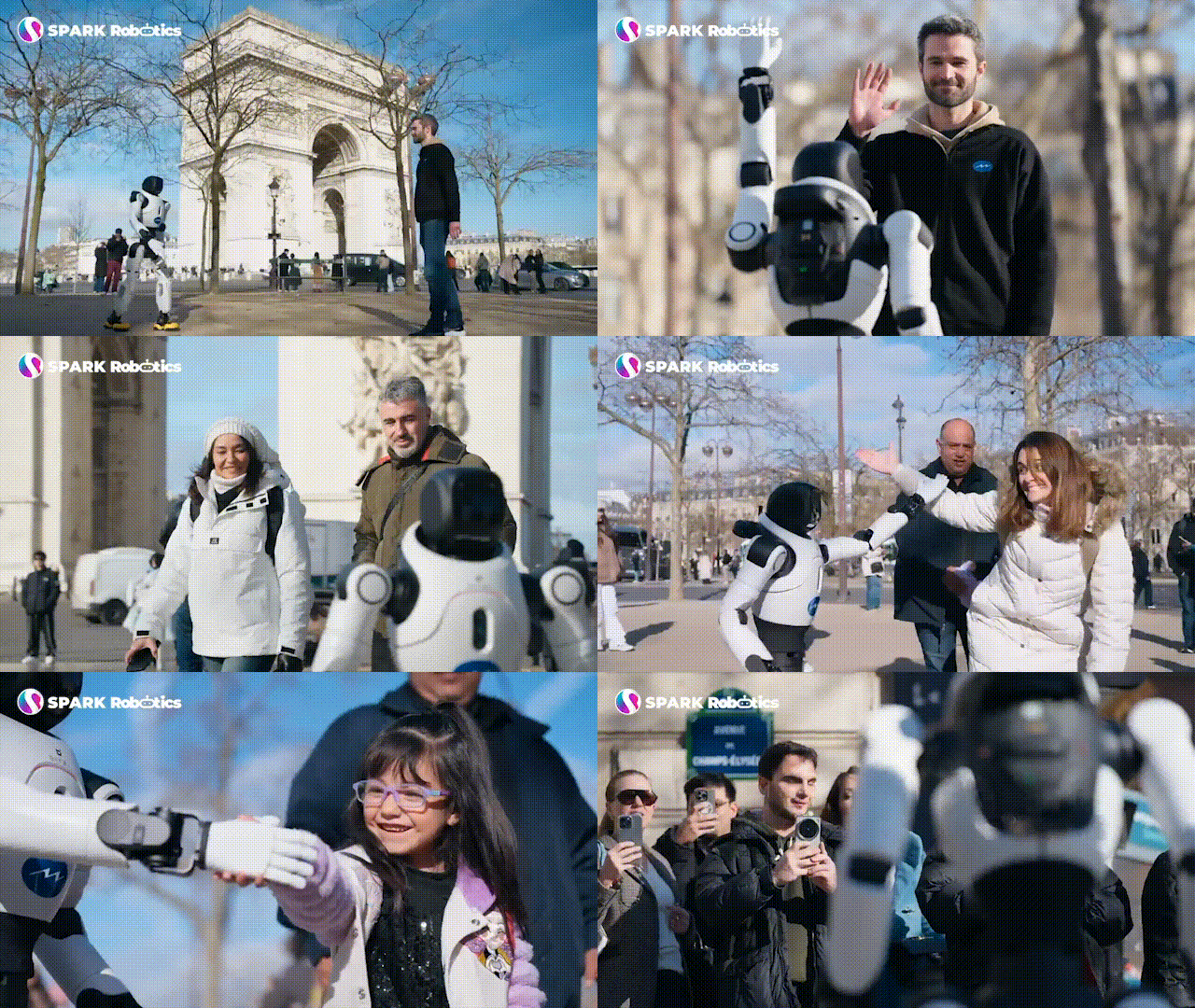
Humanoid robots are designed to communicate naturally with people. Through voice interaction, gestures and visual displays, they can guide visitors, answer questions and assist customers. This human-like communication helps businesses introduce automation without removing the human element from service environments.
Strengthening Brand Innovation
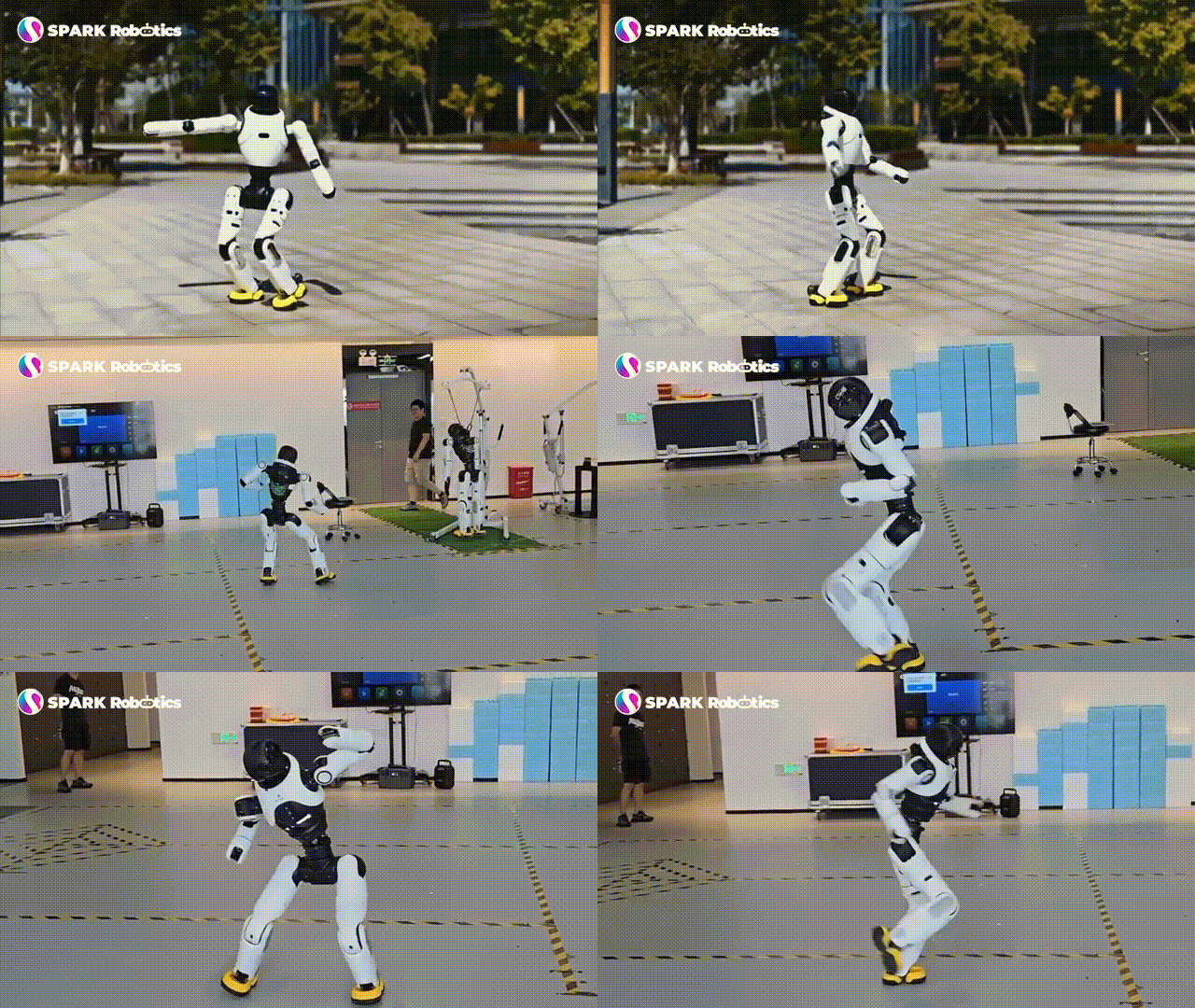
Adopting humanoid robotics can also strengthen a company’s image as an innovative and forward-thinking brand. In customer-facing environments such as hotels, retail spaces and exhibitions, humanoid robots create memorable experiences that attract attention and encourage engagement.
Human Friendly Design
Humanoid robots are designed to operate in environments built for people. Their structure allows them to move through spaces such as corridors, reception areas, service counters and even stairs that were originally designed for human workers. This human-friendly design makes them highly adaptable in real-world environments such as hotels, retail stores and commercial buildings. Instead of redesigning the workspace for machines, businesses can deploy humanoid robots directly into existing environments.
The Growing Role of Humanoid Robotics
Advancements in artificial intelligence, sensor technology and robotics engineering are accelerating the development of humanoid robots. As these technologies mature, humanoid robots are becoming more capable of performing real-world tasks safely and efficiently. Businesses across hospitality, retail and public services are beginning to explore how these robots can support both operations and customer engagement.
Are Specialised Robots More Practical?
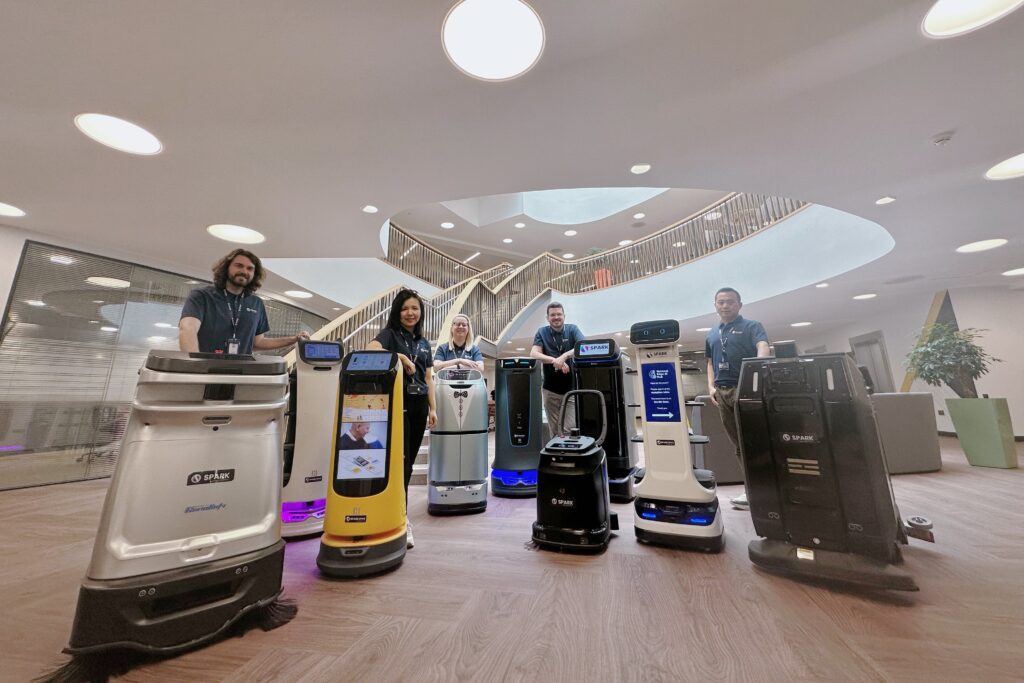
Some businesses believe that specialised robots designed for specific tasks may be more practical than humanoid robots. Dedicated machines, such as cleaning robots or delivery robots, can perform their functions extremely efficiently within defined operational areas. However, humanoid robots offer a level of flexibility that specialised robots cannot match. Their ability to adapt to multiple roles makes them particularly valuable in environments where tasks frequently change.
Ultimately, the choice of robotics solutions depends on the size of the business and its operational needs. As IoT technologies and intelligent systems continue to advance, it is increasingly likely that a hybrid model will emerge. In this model, humanoid robots, specialised robots and human workers will operate together, each contributing their strengths to create more efficient and adaptable service environments.
Start Your Humanoid Robotics Journey with SPARK Today
Humanoid robots represent an exciting step forward in the evolution of service robotics. By combining mobility, interaction and adaptability, they offer businesses a new way to introduce automation into human environments. As robotics technology continues to develop, humanoid robots are likely to play an increasingly important role in shaping the future of service operations.
If you are exploring new ways to innovate your operations and enhance customer engagement, discover how SPARK Robotics humanoid robots can support the future of service automation.