














The Innovation Effect: How Campus Robotics are Quietly Driving Higher Education Enrolment
For modern university and college recruitment teams, open days are one of the most important days. Prospective students and their parents form their opinion of an institution within the first ten minutes of walking onto campus. They aren’t just looking at the course catalogs, they are looking for evidence that their tuition fees are funding a forward-thinking and cutting-edge environment.
“Tech-Forward Campus” First Impression
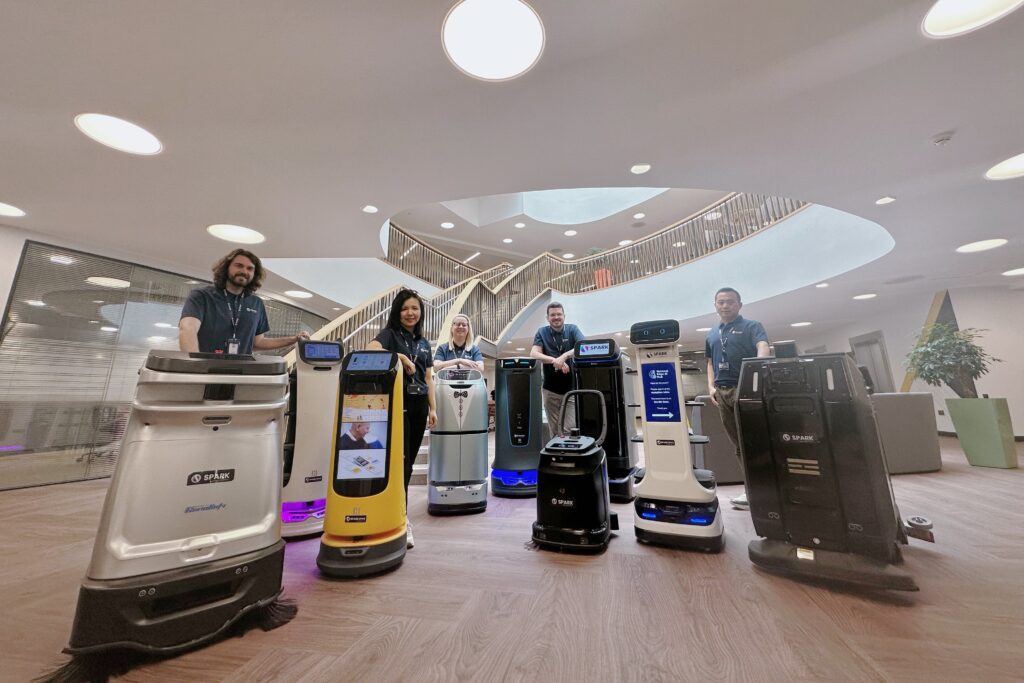
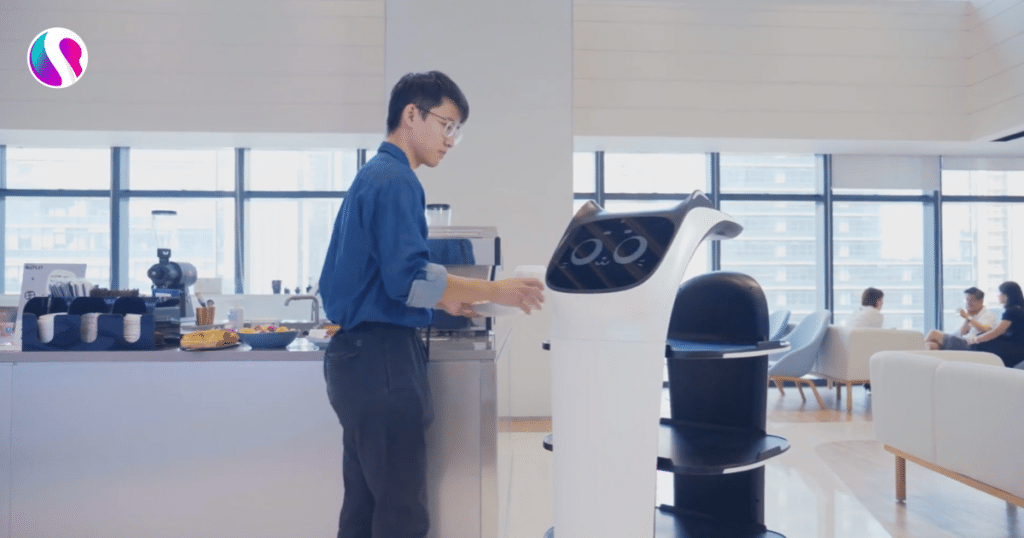
Open days are heavily reliant on optics. Walking past a sleek, intelligent robot quietly navigating a student union or library communicates innovation better than a brochure ever could. It proves that a university doesn’t just teach AI and engineering in a lecture hall but it actively embeds it into the fabric of its campus infrastructure.
For computer science, engineering, and STEM applicants, seeing advanced LiDAR sensors, 3D depth cameras, and real-time collision avoidance happening live on site transforms a routine hallway into a real-world tech demonstration. It signals to families that your institution is genuinely invested in the future.
Proving Your Sustainability Commitment
Gen Z and Gen Alpha choose institutions that align with their personal values, and campus sustainability ranks incredibly high on their checklist.
Traditional mopping and manual auto-scrubbers are notoriously heavy on resource consumption, frequently requiring anywhere from 20 to 50 gallons of water to cover large facilities. In contrast, advanced robotic scrubbers utilize onboard recycling and filtration systems, often using up to 90% less water and vastly fewer chemicals to clean the exact same surface area. Pointing out these eco-friendly bots during a tour gives university guides an incredibly tangible talking point to prove the campus is meeting its net-zero or water-reduction goals.