
- Best for factories, warehouses and logistics sites
- Carries up to 300 kg through 60 cm aisles
- Auto, follow and power-assist delivery modes
Automate material transport with the T300
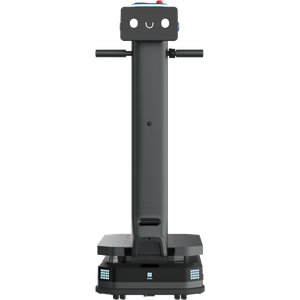
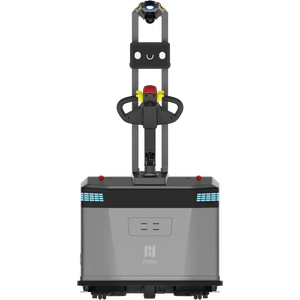
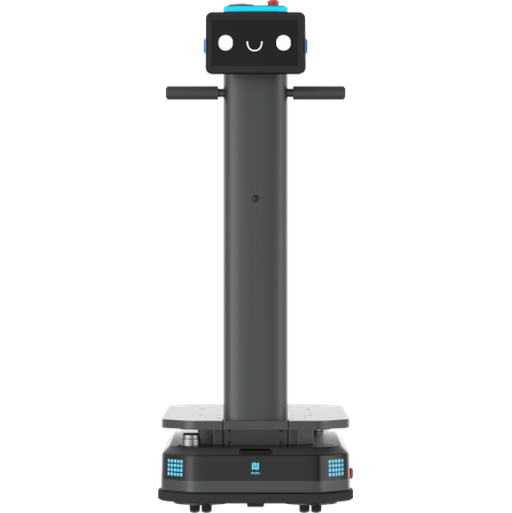
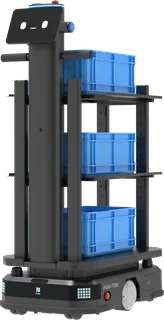
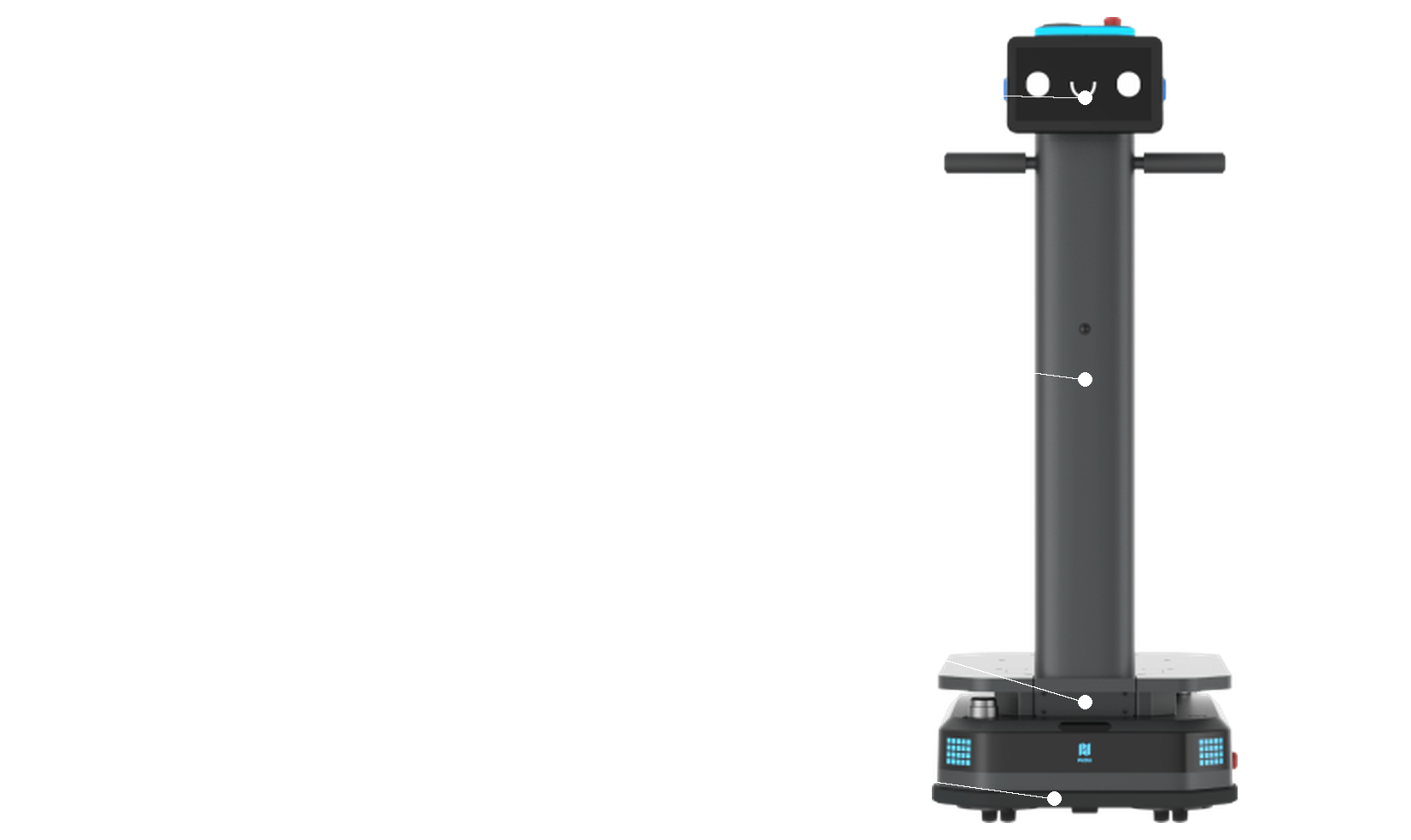
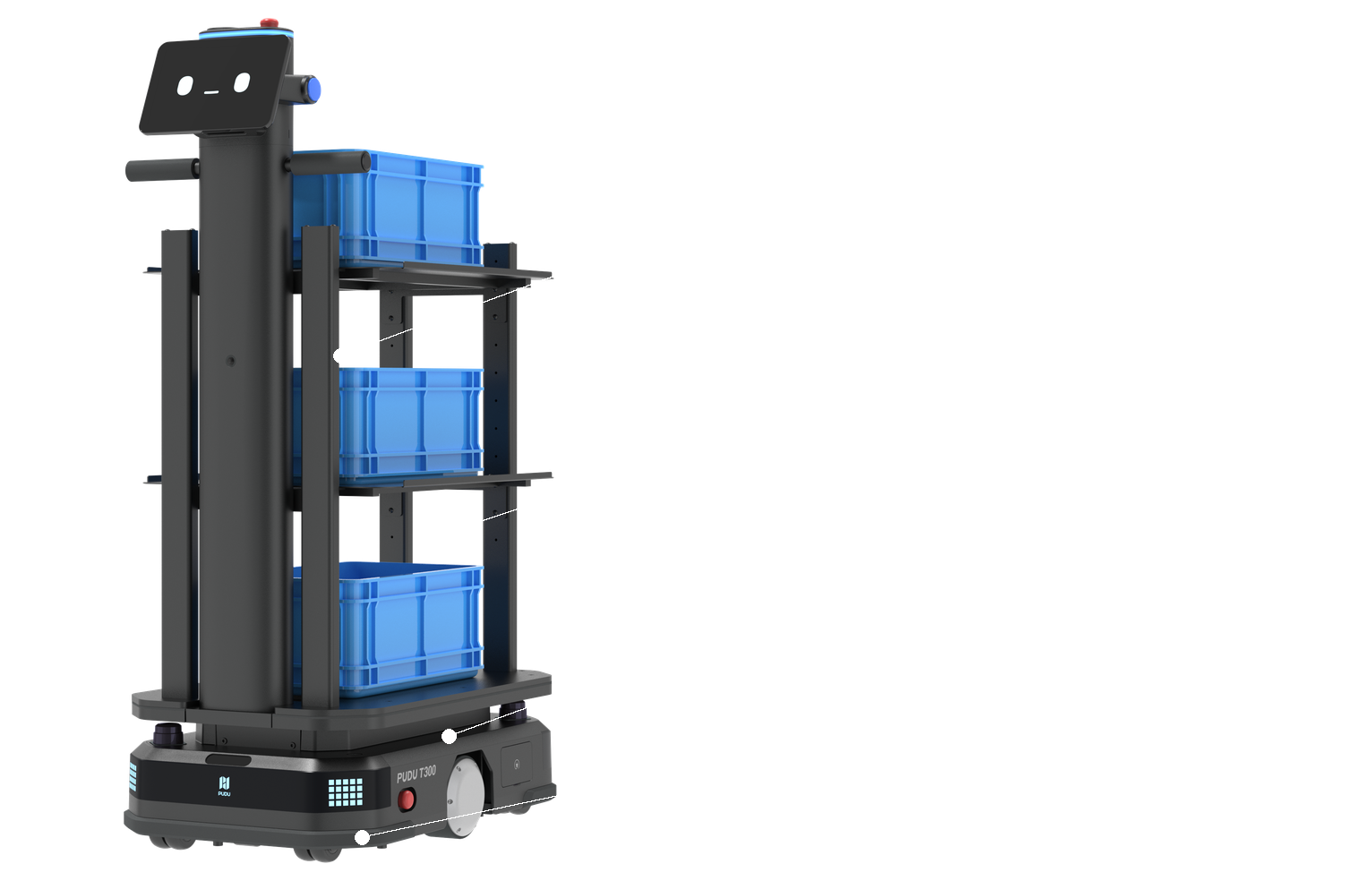
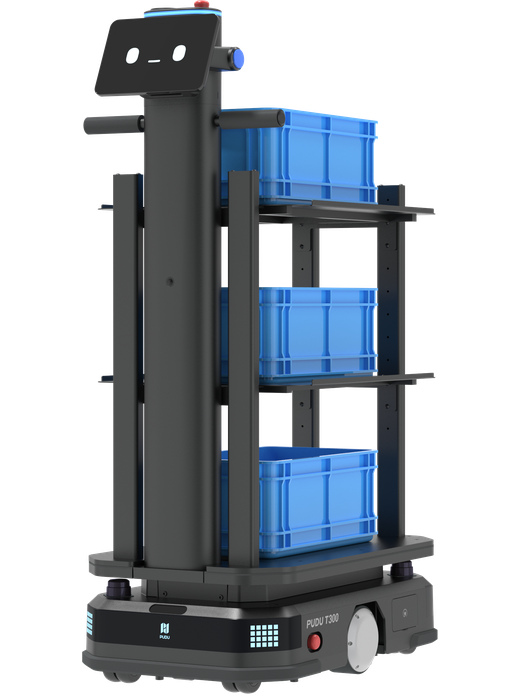
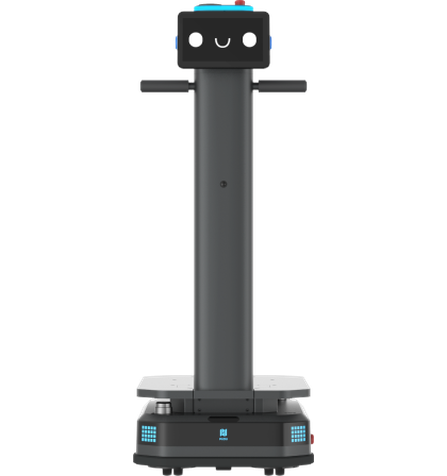
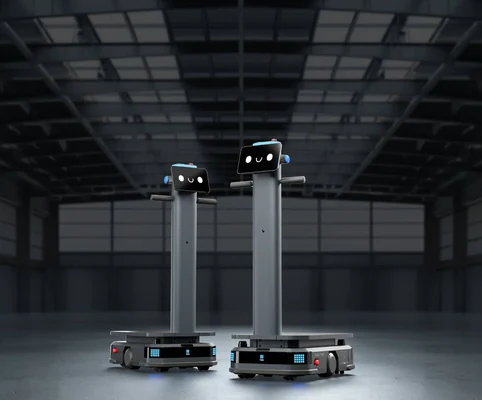
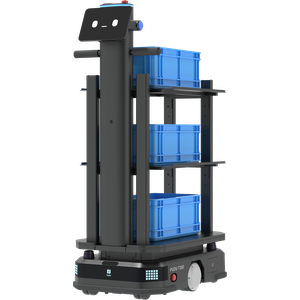
The PUDU T300 is a next-generation industrial delivery robot engineered for agile, heavy-duty material transport in complex manufacturing and logistics environments. It carries up to 300 kg, adapts quickly to layout changes with PUDU VSLAM+ and connects easily to production processes through IoT integrations and attachments.
Best for
Heavy-duty material transport
Primary task
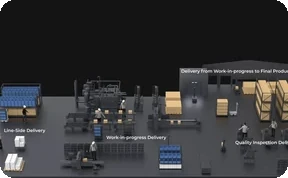
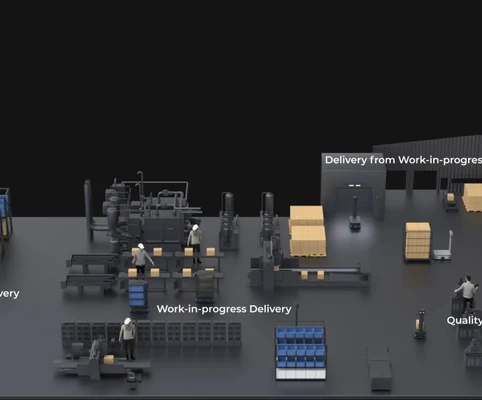
Line-side and inter-process delivery
Environment
Factories, warehouses, logistics centres and workshops
Deployment type
Mapped autonomous deployment, with SPARK site assessment, training and ongoing support
Keep materials moving without tying operators to carts and trolleys
Factories and warehouses move parts, tools and goods all day across busy, changing layouts.
Heavy loads need people to push them
Moving parts and goods by hand is slow, tiring and risky.
High payload, compact size.
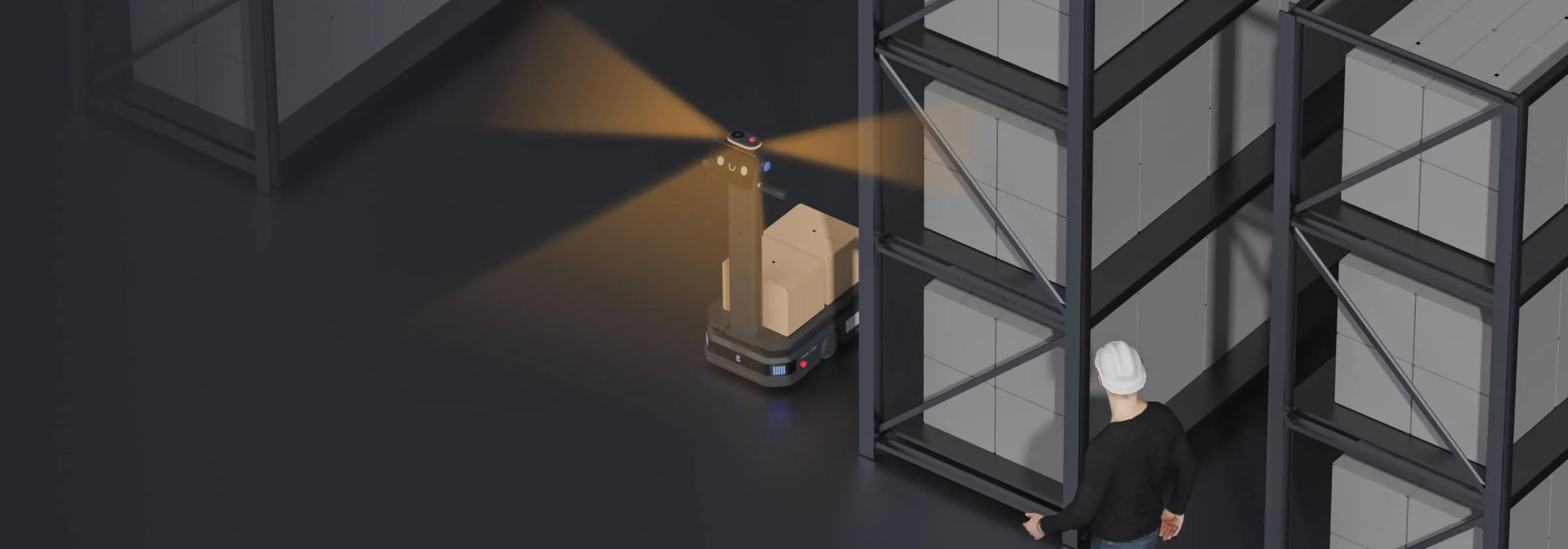
T300 carries up to 300 kg through tight spaces with just 60 cm clearance, crossing thresholds up to 20 mm and grooves up to 35 mm wide.
Different jobs need different delivery modes
Some routes are fixed, others need an operator nearby.
Auto & semi-auto delivery modes
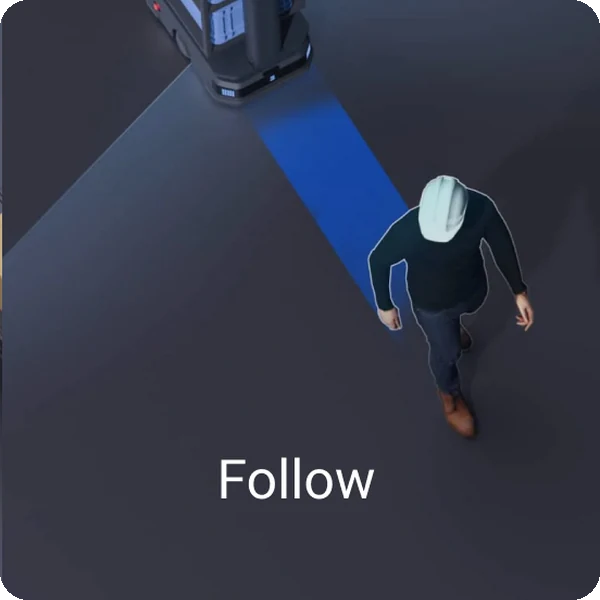
Auto-delivery runs fully autonomous routes, follow mode creates robot convoys, and power-assist helps when pushing manually.
Layouts change and robots need reconfiguring
Moving production lines often means remapping or installing markers.
Advanced navigation
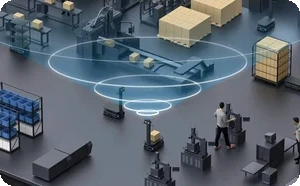
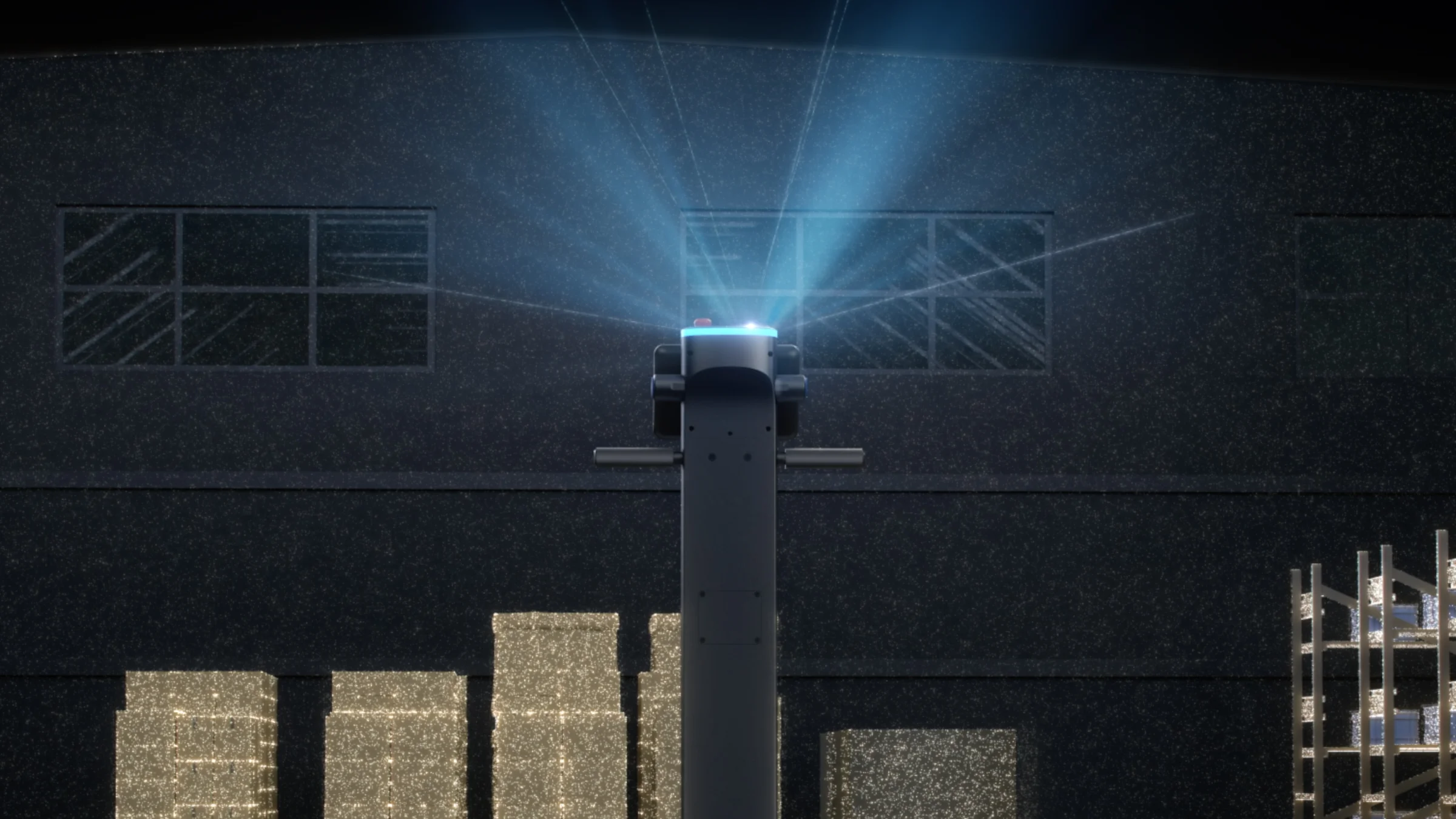
PUDU VSLAM+ lets T300 adapt quickly to layout changes without time-consuming reconfiguration or facility remodelling.
Charging stops interrupt shifts
Long charging times leave robots idle during busy periods.
Fast charging and battery swap
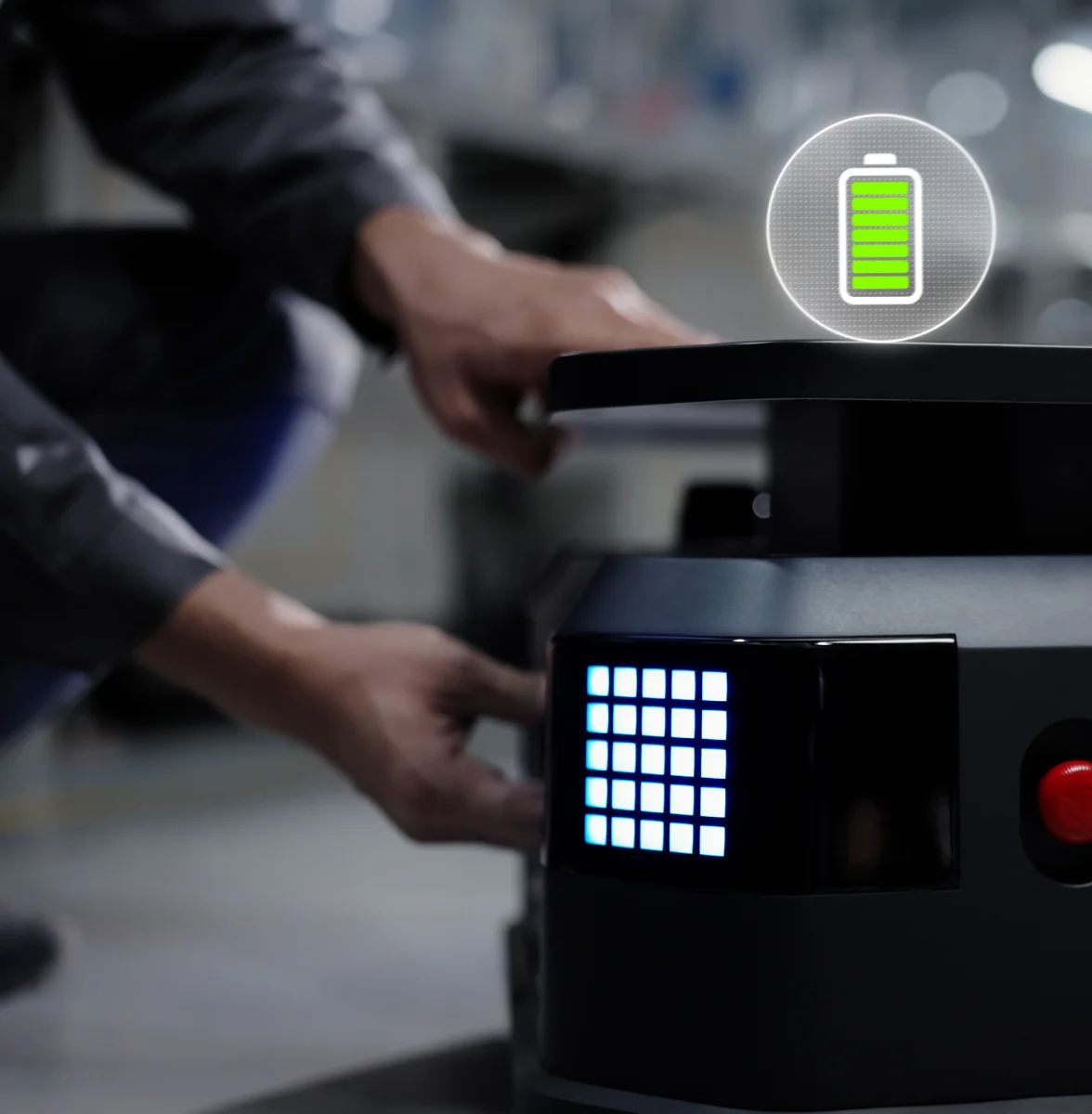
Fast 2-hour charging to 90%, with automatic recharging and battery replacement options. PUDU says this keeps T300 working round the clock.
Key outcomes
High load capacity
Transport heavy materials such as parts, tools, raw goods and finished products.
300 kg payload · 60 cm path clearance · 20 mm thresholds · 35 mm gaps · 1.2 m/s.
A robust, industrial-grade build reduces manual handling.
Flexible
Navigation
Route without markers and adapt instantly to layout changes.
PUDU VSLAM+ · VSLAM & LiDAR SLAM · marker-free routing · follow mode.
Keeps material flowing as production evolves.
Advanced safety
Work safely alongside people and equipment.
360° LiDAR · depth cameras · collision sensors · ISO 3691-4 industrial safety standards.
Supports safe human-robot collaboration on busy floors.
Productivity across shifts
Keep running across shifts with fast charging and swappable batteries.
Up to 12 h unloaded / 6 h fully loaded · 2 h charging to 90% · 30 Ah · auto-charging · Pudu Link app.
Award-winning design: Red Dot Award 2025 winner.
What powers the T300's industrial delivery
High payload & compact size
Three delivery modes
Advanced navigation
Non-stop operation
Attachments
IoT compatibility
T300 features in detail
A closer look at the PUDU T300 and the features behind it.

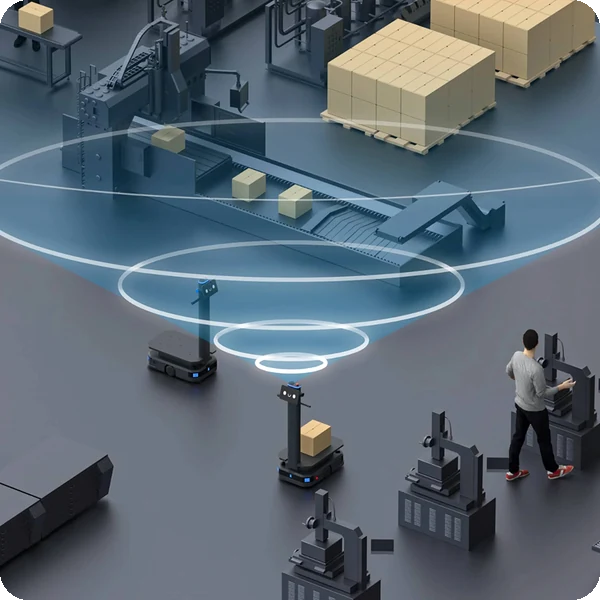
Auto-delivery mode
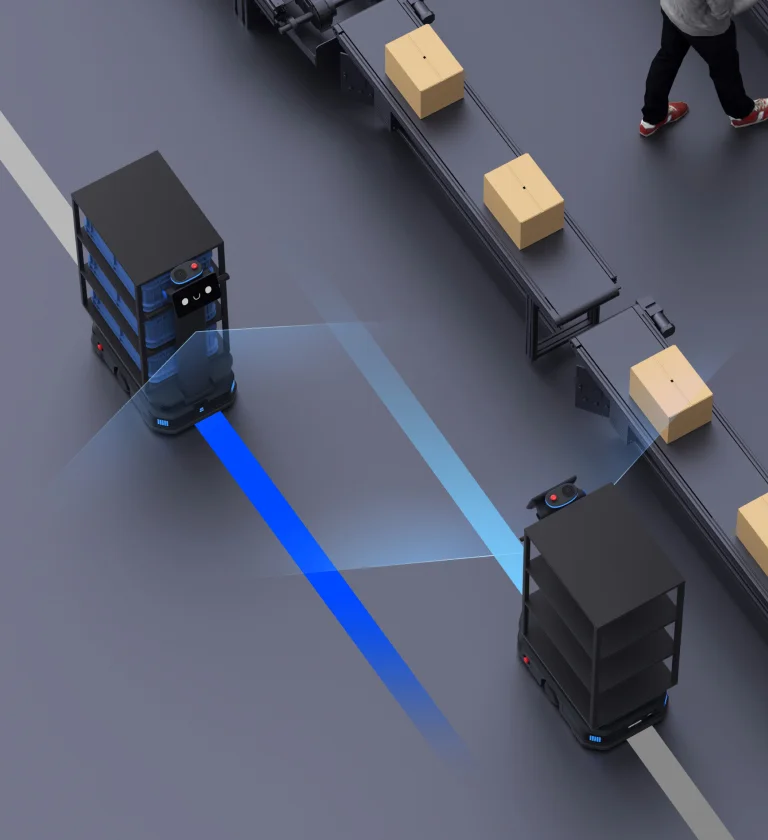
The T300 is capable of autonomous navigation and can deliver goods to any designated destination. Additionally, you can swiftly adjust the maps to accommodate changes in the production line.

Follow mode
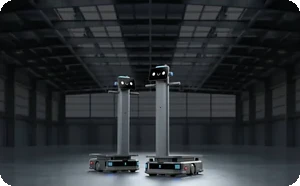
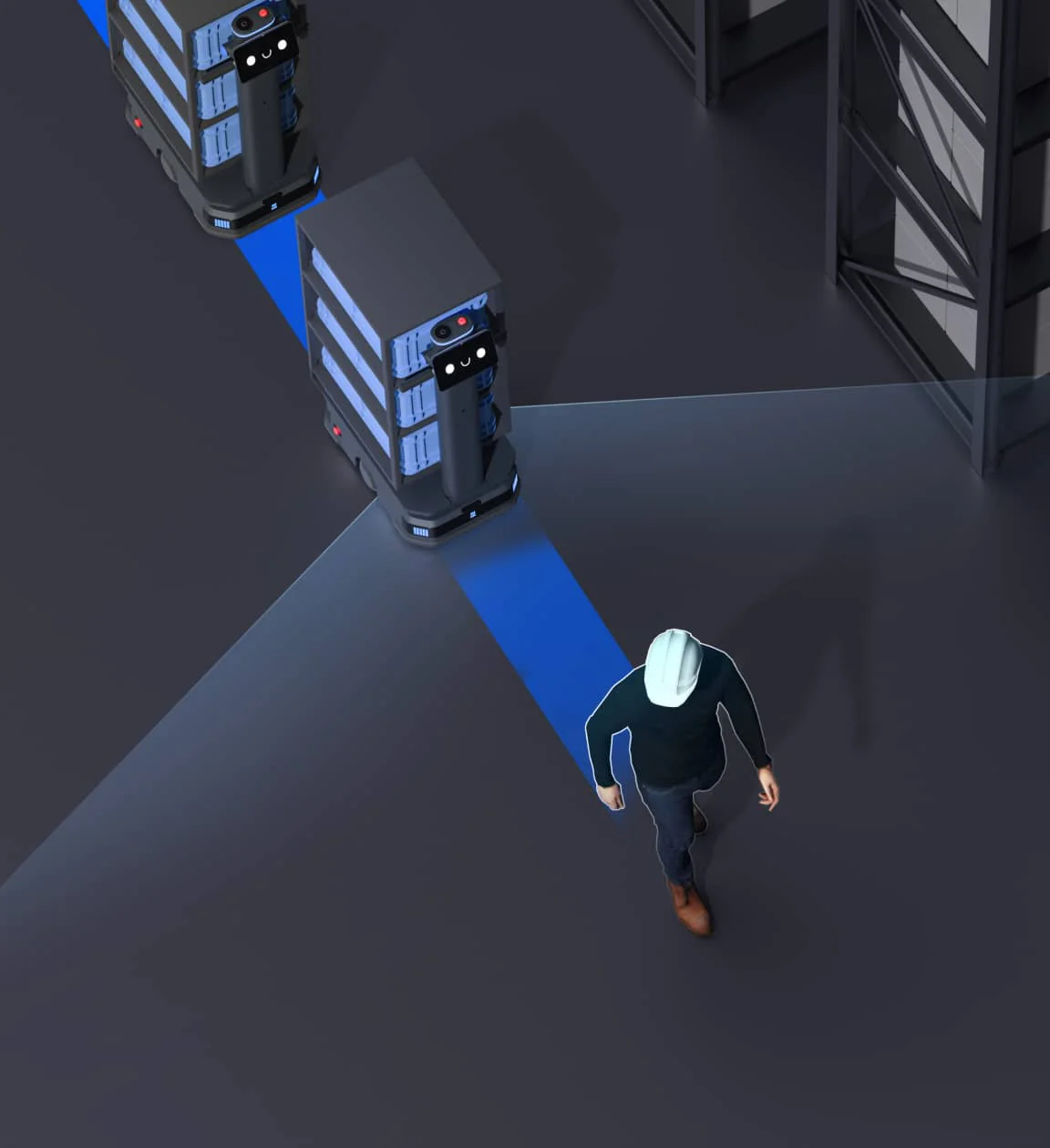
The T300 employs visual recognition technology to facilitate an orderly queuing and following mechanism among multiple robots, a system primarily used for material preparation and the transportation of assorted goods.

Power-assist mode
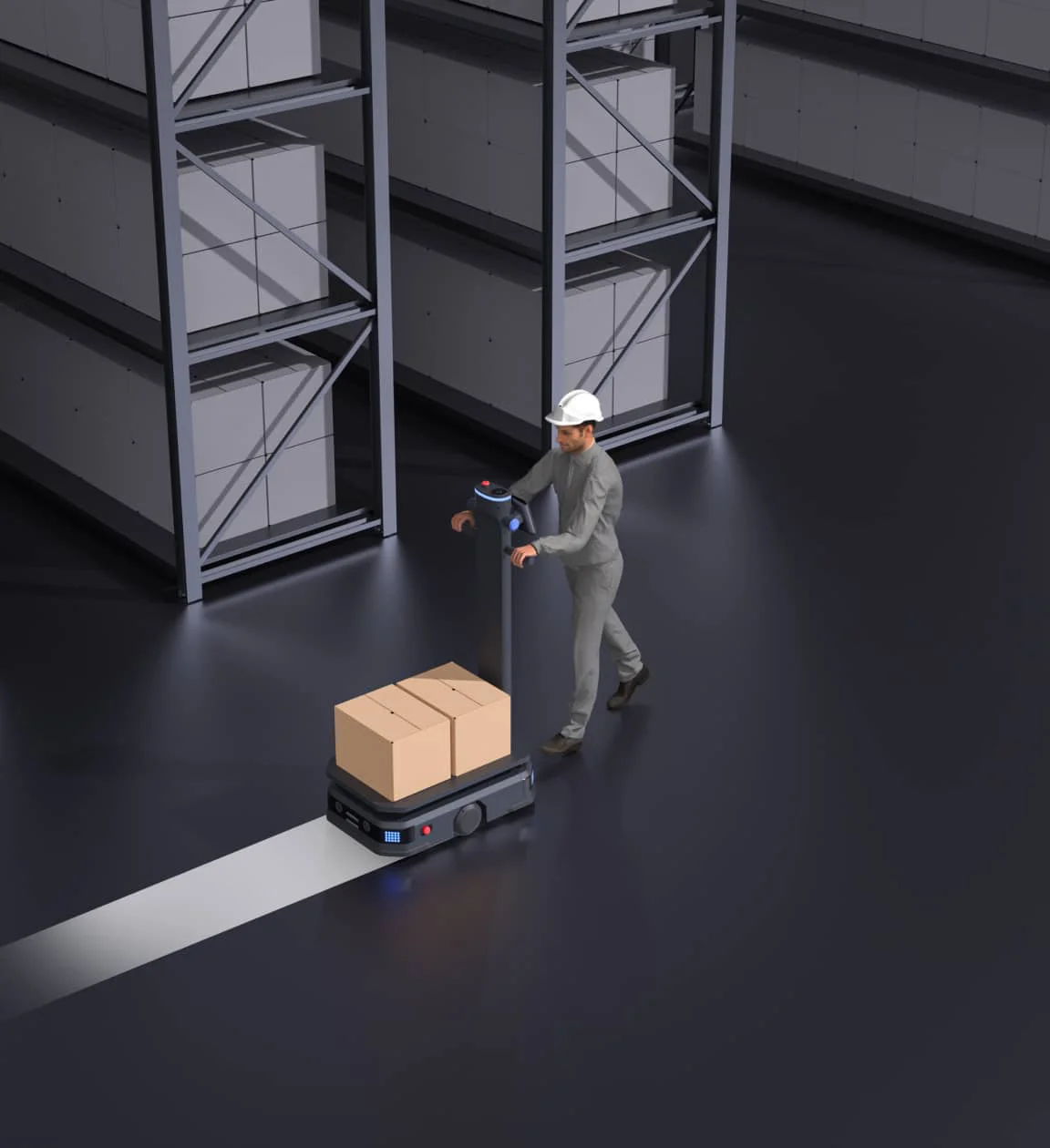
When manual intervention is required for specific tasks or map generation, the T300 is equipped with an electric power-assist system to facilitate hand-pushing operations, thereby enhancing delivery efficiency and convenience.

Comprehensive safety protection
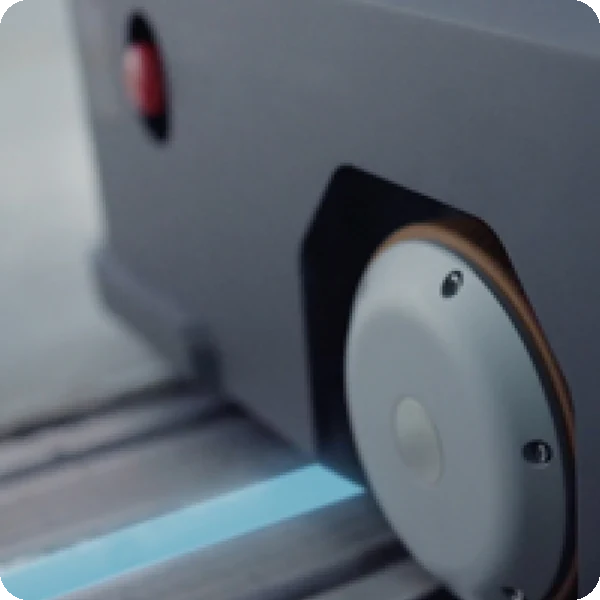
Compliant with the ISO 3691-4 standard, the T300 is equipped with multiple safety measures, including LiDAR sensors, depth cameras, collision protection sensors, and emergency stop buttons.

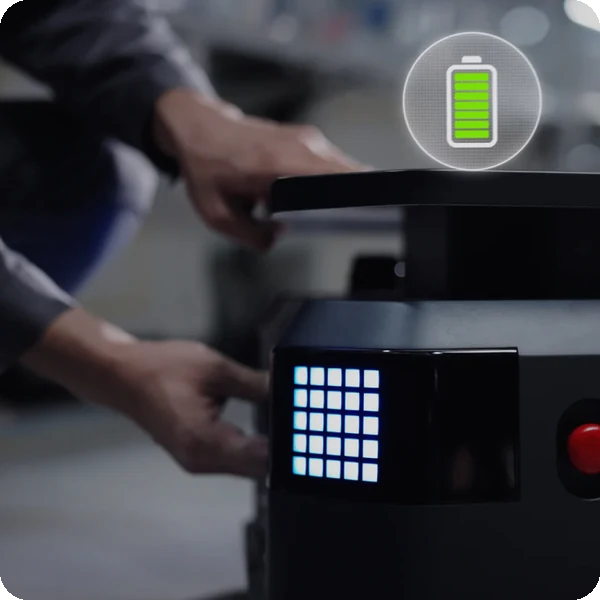
Fast charging and battery swap
Up to 12 hours unloaded or 6 hours fully loaded, with fast 2-hour charging to 90%. PUDU says automatic recharging and battery replacement keep the T300 running round the clock.

Multimodal interaction
High-brightness indicator lights show the robot's position, traffic-signal lights show where it is about to drive, and customisable buttons keep collaboration organised.

IoT compatibility
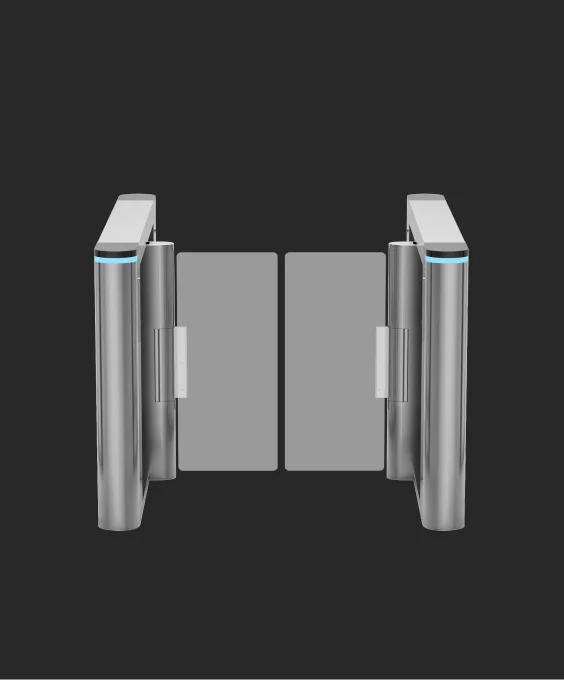
Connects with e-gates, elevators, pagers and the app, and plugs into the production process without complex system integration.
How it works
01.
Map or configure
Prepare T300 for your site. The facility is mapped with VSLAM+ and pick-up and drop-off points are configured.
What the T300 handles
Uses VSLAM and LiDAR SLAM for marker-free mapping and routing.
Where people step in
Initial mapping and point set-up require human input.
The exact SPARK deployment process TBC
02.
Run the workflow
Operators load T300 and dispatch it, or have it follow them in convoy mode. It delivers to the right station and returns automatically.
What the T300 handles
Carries out auto-delivery, follow mode, obstacle avoidance and auto-charging.
Where people step in
Operators load and unload materials and use power-assist when pushing manually. Exact exception procedures TBC
03.
Monitor and improve
Keep material flow aligned with production through the Pudu Link app, with monitoring, dispatching and fleet management.
What the T300 handles
Reports status and supports fleet dispatching.
Where people step in
People remain responsible for reviewing performance and deciding when adjustments, maintenance or further configuration are needed. TBC
Use cases and environments
Maintenance Workshops
Moving spare parts and tools between stores and workshops.
Product in action
PUDU T300 industrial delivery
T300 precise delivery in manufacturing
Technical specifications
Specification
- Max. load
- Cruise speed
- Path clearance
- Max. threshold
- Max. crossing gap
- Delivery modes
- Attachments
- Noise
T300
- 300 kg
- 1.2 m/s
- 60 cm
- 20 mm
- 35 mm
- Auto, follow, power-assist
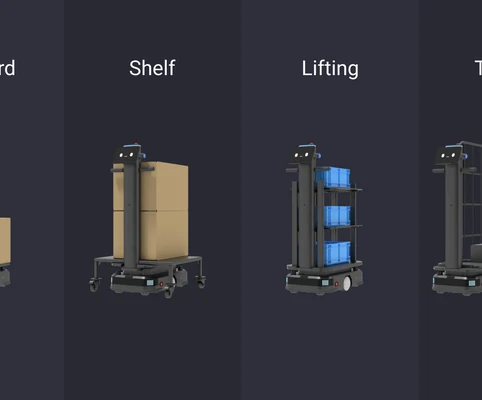
- Standard, shelf, lifting, towing
- TBC
Specification
- Machine dimensions
- Machine weight
- Path clearance
- Design award
- Build
- Display
- Lifting height
- Deck size
T300
- 835 × 500 × 1350 mm
- 65 kg
- 60 cm
- Red Dot Award 2025
- Industrial-grade
- 10.1-inch touchscreen
- TBC
- TBC
Specification
- Navigation
- Routing
- Sensors
- Safety standard
- Layout changes
- Follow mode
- Obstacle avoidance
- Elevator integration
T300
- VSLAM & LiDAR SLAM (PUDU VSLAM+)
- Marker-free
- 360° LiDAR, depth cameras, collision sensors
- ISO 3691-4
- Adapts without reconfiguration
- Visual tracking convoys
- Supported
- Elevator and e-gate integration
Specification
- Battery capacity
- Run time
- Charging time
- Auto charging
- Battery swap
- Operation
- Battery type
- Rated voltage
T300
- 30 Ah
- 12 h unloaded / 6 h fully loaded
- 2 h (to 90%)
- Supported
- Supported
- Across shifts (auto-charging, battery swap)
- 30 Ah swappable lithium-ion
- TBC
Specification
- App
- Monitoring
- Dispatching
- Fleet management
- IoT integration
- Network
- Software updates
- MES / WMS integration
T300
- Pudu Link
- Supported
- Supported
- Supported
- Modular connection to production
- TBC
- TBC
- TBC
Specification
- Environment
- Thresholds
- Gaps
- Ingress protection
- Operating temperature
- Max. slope
- Floor types
- Min. aisle width
T300
- Factories, warehouses, logistics sites
- Up to 20 mm
- Up to 35 mm
- TBC
- 0 °C to 40 °C
- TBC
- Indoor flat ground
- 60 cm
Specification
- Shelf attachment
- Lifting attachment
- Towing attachment
- Swappable battery
- Charging station
- Pager / call button
- Custom racks
- Spare parts kit
T300
- Available
- Available
- Available
- Available
- Auto charging
- TBC
- TBC
- TBC
Deployment and integration
From site survey to launch, SPARK prepares your robot for your site, your workflow and your team.

01 — Site survey
We assess your requirements and site conditions to help plan your robot deployment.

02 — Mapping
The operating area is mapped for autonomous operation before handover.

03 — Workflow design
We develop a deployment plan around your site and operational requirements.

04 — Integration
Integration requirements are assessed for each deployment, while tasks, schedules and reports are managed through the app.

05 — Training
SPARK provides user training as part of its after-sales support.

06 — Launch
Launch follows completion of site preparation, mapping, workflow setup and training.

Site Assessment
Understand the facility, floor types, traffic patterns and operational requirements.

Robot Deployment
Introduce the robot into daily operations with minimal disruption.

Mapping
Configure operating areas and routes according to the environment.

Remote Monitoring
Monitor robot operations and receive performance information through the app.

Training & Handover
Provide operators with the knowledge needed to manage the robot day to day.

Ongoing Optimization
Adapt maps and update software as the facility evolves.

Training & Handover
Provide operators with the knowledge needed to manage the robot day to day.

Remote Monitoring
Monitor robot operations and receive performance information through the app.

Ongoing Optimization
Adapt maps and update software as the facility evolves.

Site Assessment
Understand the facility, floor types, traffic patterns and operational requirements.

Mapping
Configure operating areas and routes according to the environment.

Robot Deployment
Introduce the robot into daily operations with minimal disruption.
What SPARK adds
We are not a box shifter. Deployment covers site survey, mapping, workflow design, integration planning, training and launch — so your robot arrives configured for your building rather than dropped at your loading bay.
If the survey shows the robot is wrong for your site, we will say so.
upSPARK and ongoing support
From installation and user training to software updates and on-site maintenance, we provide full after-sales support.

Technology That Keeps Improving
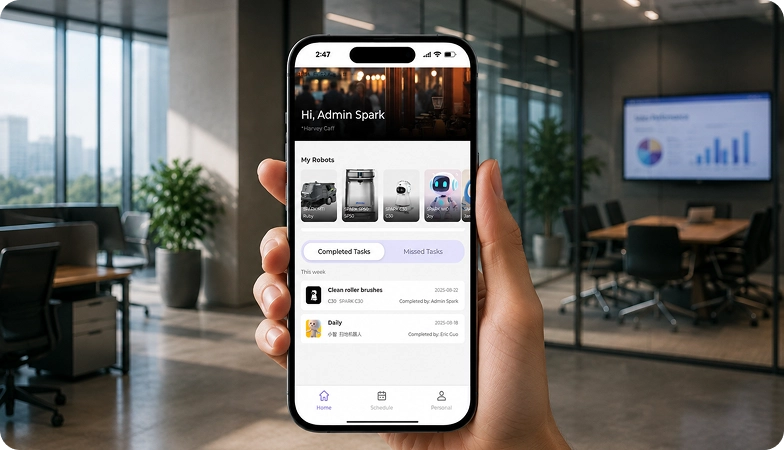
Every SPARK robot is managed through its manufacturer app and cloud platform, where operators can schedule tasks, monitor each robot remotely and review performance reports. SPARK supports you from installation and training through to software updates and maintenance.

maintenance tasks
Routine maintenance is kept simple, with clear schedules for brushes, filters, tanks and other consumables. SPARK guides your team through each task so the robot stays ready to work.

scheduling
Tasks and schedules can be set and adjusted through the app or control panel, so the robot works at the times that suit your site, including out of hours.

guided maintenance
SPARK provides step-by-step guidance for maintenance tasks, helping your team keep the robot running reliably with minimal downtime.

expert support
Our UK-based team provides expert after-sales support, including troubleshooting, on-site maintenance and help with optimising your robot routines.
Safety, compliance and governance
Compliance
Certification and conformity
Declaration of Conformity and certification documents for this robot are available on request for technical and procurement review.
Obstacle handling and safety
360° Environmental Awareness
SPARK robots use onboard sensors to detect obstacles, slow down or stop, and reroute where required. Detailed safety behaviour is covered in the product documentation.
Operating boundaries
Mapped operating areas
The robot operates within the mapped areas and configured routes set up during deployment. Operating conditions are listed in the technical specifications above.
Data and privacy
App and cloud management
Tasks, schedules and reports are managed through the manufacturer app and cloud platform. Details of data handling and privacy are shared as part of deployment planning.
Documents for review
Documentation pack
The user manual, specification sheet and conformity documentation can be shared for technical and procurement review.
Choosing between Spark industrial robots
T300
T600
MP2000
Frequently asked questions
Questions about using the T300 at your site
What can T300 transport?
Up to 300 kg of materials such as parts, tools, raw goods and finished products.
How narrow a space can T300 pass?
T300 needs just 60 cm clearance and crosses thresholds up to 20 mm and gaps up to 35 mm wide.
Which delivery modes are available?
Fully autonomous auto-delivery, follow mode for robot convoys, and power-assist for manual pushing.
How long can T300 operate?
Up to 12 hours unloaded or 6 hours fully loaded, with fast charging to 90% in 2 hours and swappable batteries.
Does T300 need markers or reflectors?
No. PUDU VSLAM+ enables marker-free routing and adapts quickly to layout changes.
Is T300 safe around people?
Yes. 360° LiDAR, depth cameras and collision sensors support operation to ISO 3691-4 industrial safety standards.
How do I request engineering support if there is a problem?
Contact the SPARK support team. We provide after-sales support including troubleshooting, software updates and on-site maintenance for your T300.