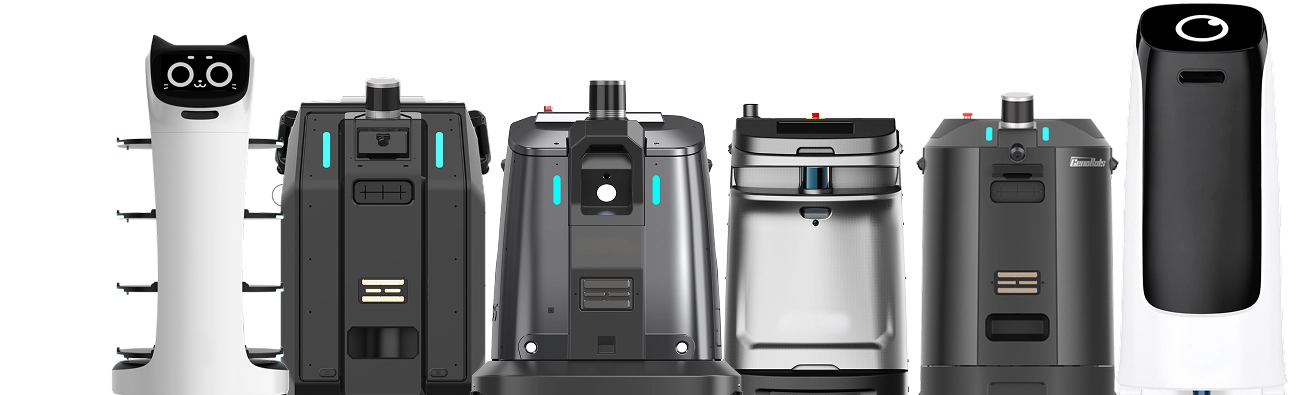
Healthcare robots for cleaner wards and lighter workloads
Hospitals, clinics and care homes need consistent cleaning and reliable support services, while infection-control standards rise and staff time is stretched. SPARK Robotics helps UK healthcare and care providers use autonomous cleaning and delivery robots where they genuinely help. We review your corridors, wards and routines, recommend suitable equipment and help your team put it to work.
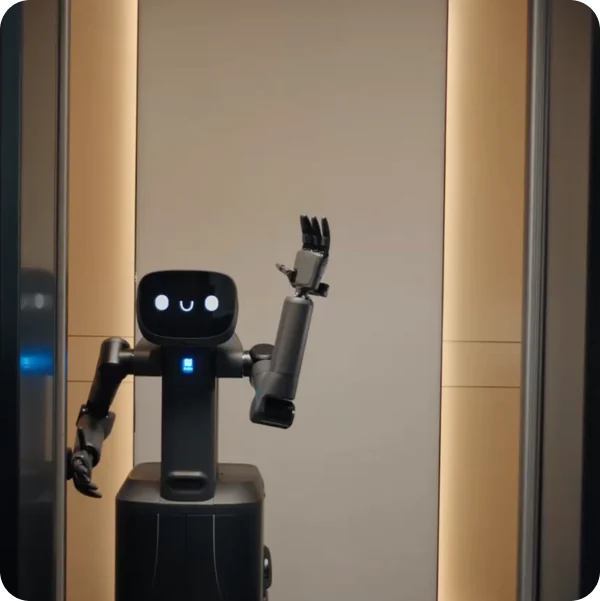
The right application depends on the building and the people in it. For some sites, that means cleaning long corridors overnight. For others, it means carrying meals and supplies, or helping visitors find their way.
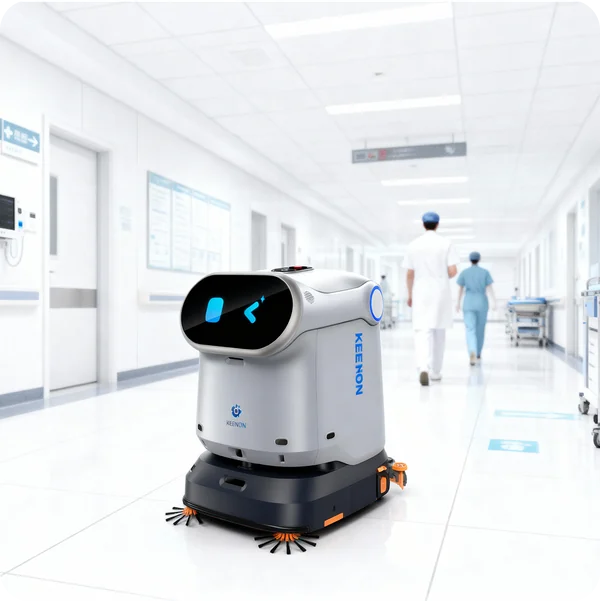
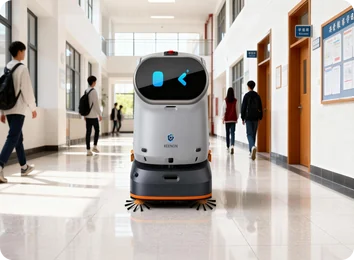
Corridor and public-area cleaning
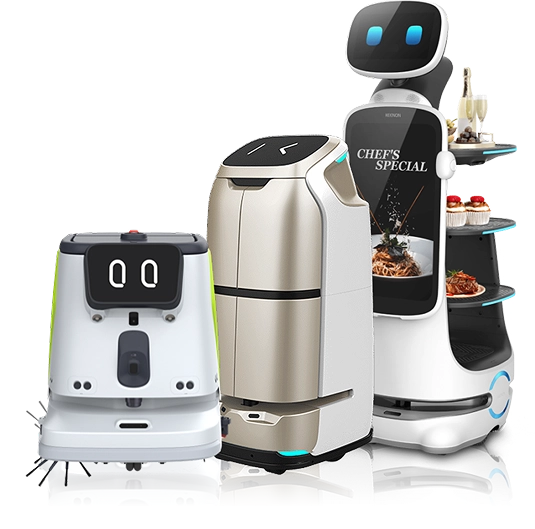
Autonomous cleaning robots can scrub and vacuum corridors, entrances and waiting areas on a schedule, including overnight and during quiet hours, while sensing people and equipment around them.
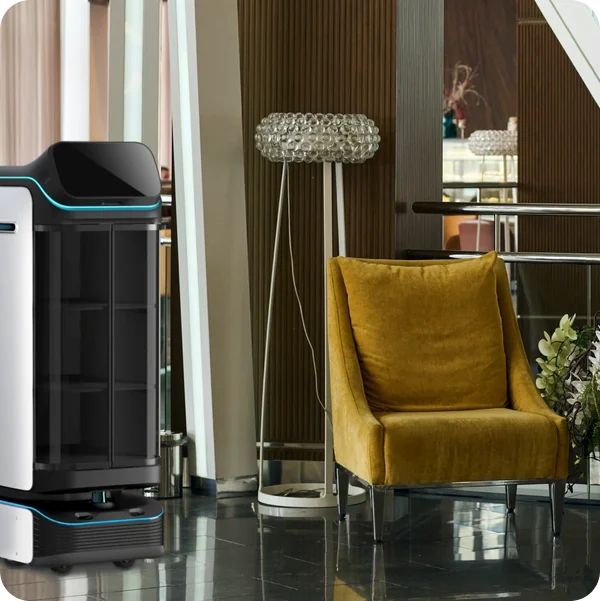
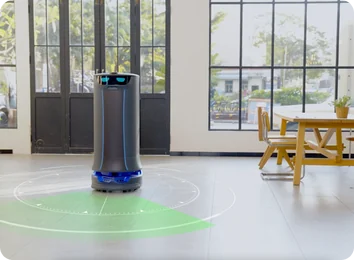
Delivery robots with closed compartments can carry meals, linen and supplies between kitchens, stores and wards, giving staff more time for patients and residents.
Clean long corridors and public areas around the clock.
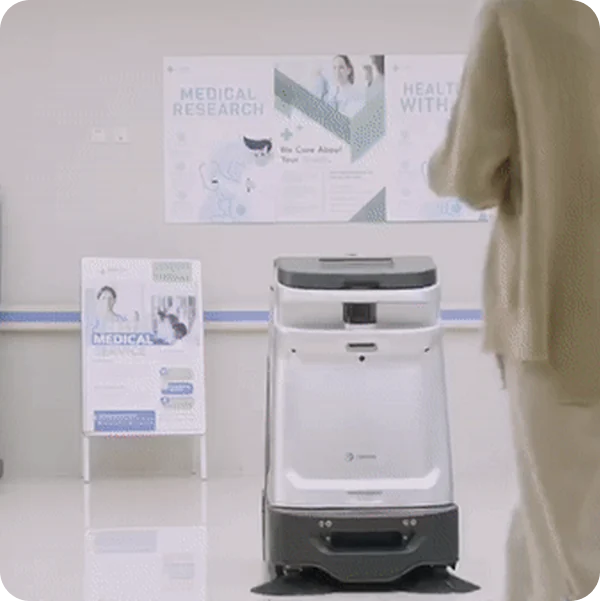
Clinics and surgeries
Keep waiting areas and entrances clean throughout the day.
Care homes
Support meal delivery and cleaning in lounges and corridors.
Laboratories and research
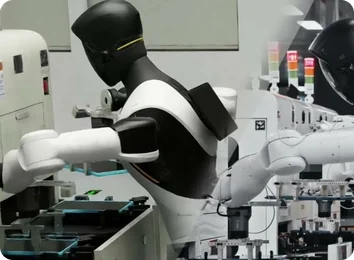
Keep clean areas clean and carry samples and supplies.
Real deployments,
real operating conditions
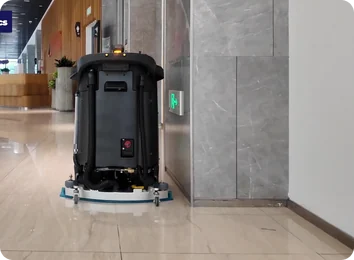
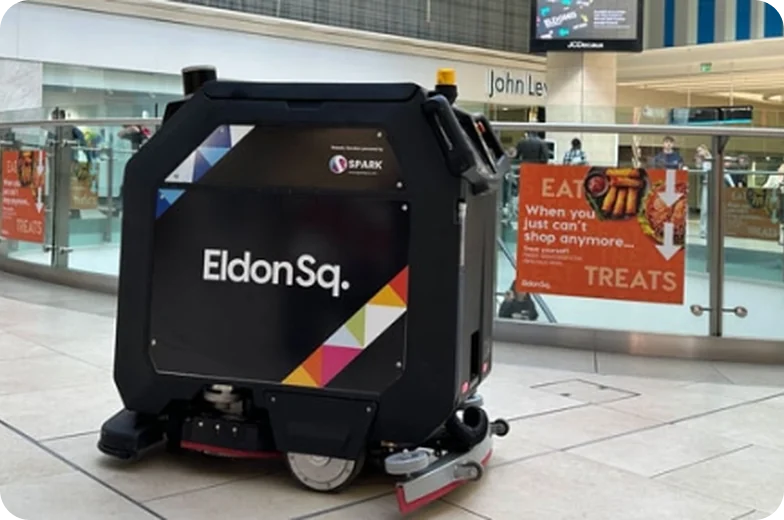
At Eldon Square, a busy Newcastle shopping centre, SPARK introduced an autonomous L50 scrubber-dryer alongside the existing cleaning team. It has completed more than 1,000 hours of autonomous cleaning.
We also work with healthcare and care teams across cleaning and delivery applications. Explore the customer stories relevant to your setting and the task you want to improve.
We discuss the repeated journeys or cleaning work you want to improve.
02
Assess the space
We review routes, surfaces, access, foot traffic, charging and staff handovers.
03
Demonstrate a
suitable approach
We agree what the demonstration or trial should show and how success will be assessed.
04
Plan deployment
and support
We configure the agreed solution, train your team and set out the support arrangements in your proposal.
The result is a recommendation based on your operation, rather than a robot selected from a catalogue.
Frequently asked questions
Can cleaning robots support infection control?
Robots clean to a consistent schedule and record what they have done, which supports your infection-control routines. They work alongside your existing cleaning and disinfection procedures rather than replacing them.
Are robots safe around patients and residents?
Our robots use LiDAR, cameras and other sensors to detect people, beds and equipment and slow down or stop around them. Routes and speeds are set during deployment to suit your building.
Can robots deliver meals and supplies between floors?
Some delivery robots can use lifts with an integration kit and carry items in closed compartments. We check your lifts, doors and access control during the site assessment.
Can robots clean overnight?
Yes. Robots can be scheduled to clean overnight or during quiet hours, then return to charge, so floors are ready for the day.
Can we start with one ward or one building?
Yes. Many providers start with one area and one task, review the results, then decide whether to extend the robots to other areas or sites.
Start a conversation
Explore what could work at your site
Tell us about your site and the task you want to improve. We’ll help you identify the most useful next step.