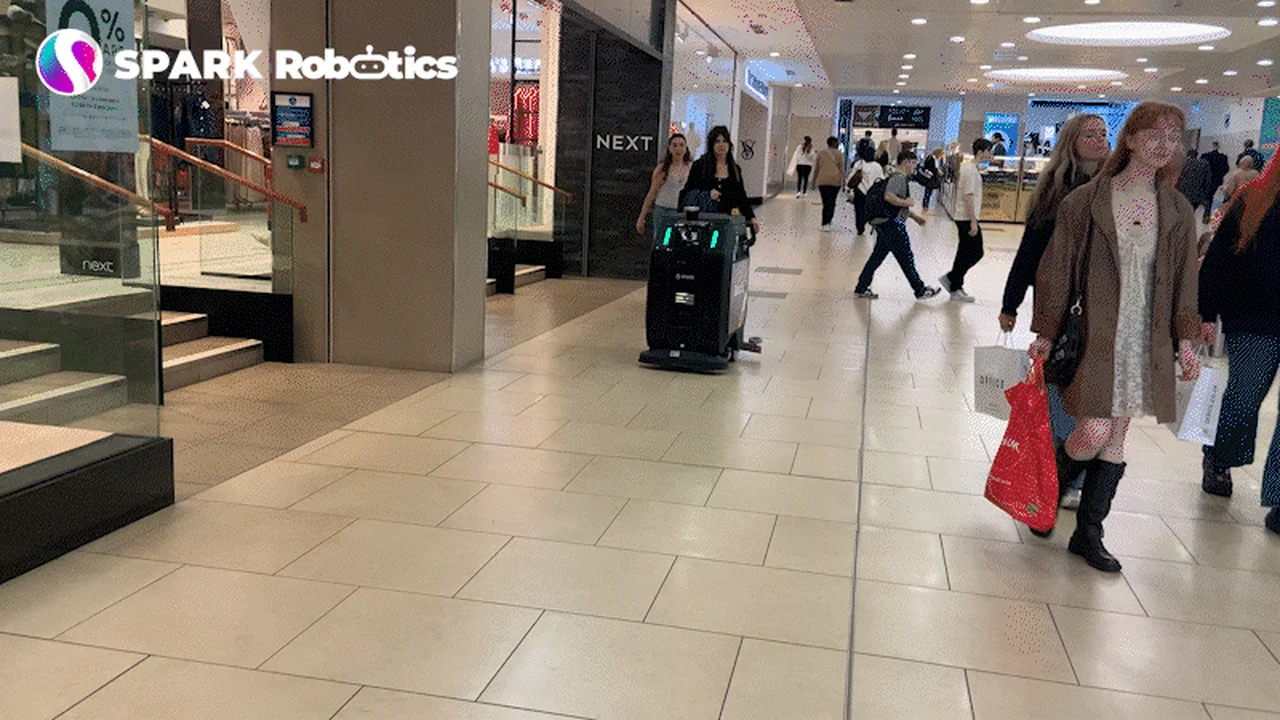
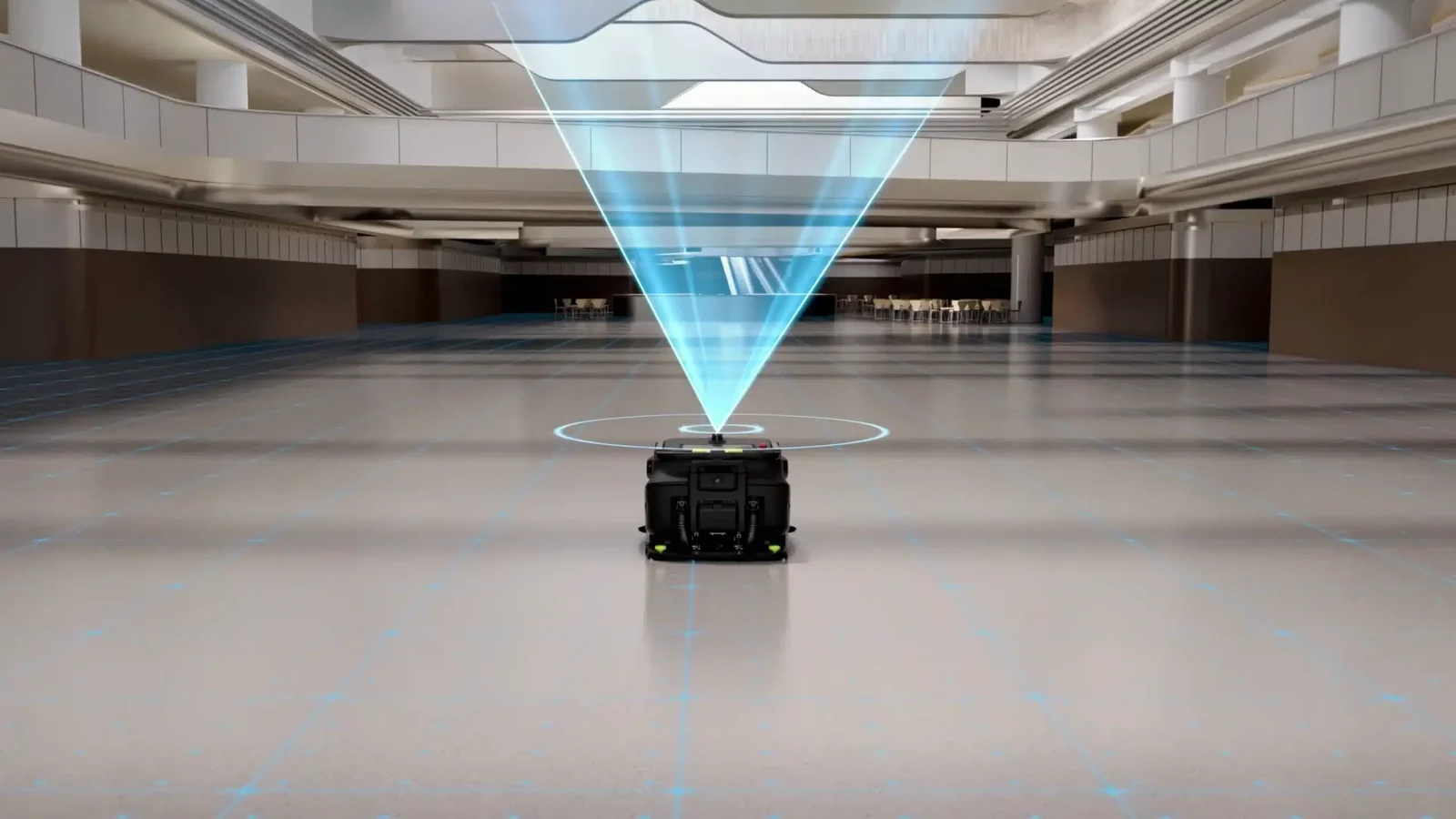
Autonomous cleaning robots are now a practical option for shopping centres, offices, hospitals, airports and warehouses. But the range of machines is wide, from compact vacuum robots to large scrubber-dryers, and the right choice depends far more on your site than on any single specification. This guide sets out the questions we work through with every customer before recommending a robot.
1. Start with the cleaning task, not the robot
Write down the work you want to improve. Is it a nightly scrub of a large concourse, daytime vacuuming of carpeted offices, sweeping a car park, or quick response to spills? Each task points to a different type of machine:
- Scrubber-dryers wash and dry hard floors such as vinyl, tile, stone and sealed concrete.
- Sweepers collect dust, litter and debris in warehouses, factories and car parks.
- Vacuum and multi-purpose robots handle carpets and mixed floors in offices, hotels and corridors.
- Spot-cleaning robots respond to spills and high-traffic areas between scheduled runs.
2. Measure the space and the routes
Cleaning productivity is usually quoted in square metres per hour, but the number only matters alongside your floor area and the time you have. A robot that cleans 2,000 m² per hour suits an open mall; a compact robot that fits through 700 mm gaps suits aisles, corridors and furnished spaces. Note the narrowest points, door widths, thresholds, ramps and any lifts the robot would need to use.
3. Decide when the robot will work
Many sites run robots overnight or before opening, when floors are clear. Others need cleaning while people are present, which makes obstacle detection, speed control and noise levels more important. Runtime, charging time and whether the robot can return to charge on its own decide how much ground it can cover in one shift.
4. Plan water, waste and charging
Scrubber-dryers need clean water and somewhere to empty dirty water. Some models work with an automatic workstation that refills and drains the tanks; others rely on a member of staff. Agree where the robot will be stored and charged, and who will look after it each day.
5. Check reporting and integration
Most commercial robots record the areas cleaned, coverage and completed tasks, and share them through an app or web dashboard. If you report to clients or manage several sites, check what the reports include and whether the robot can work with your lifts, doors and access control.
6. Think about the whole cost, not just the price
Compare the robot’s cost with the hours of repetitive cleaning it takes on, and include consumables, maintenance, software and support. A robot rarely replaces a cleaning team; it lets the team spend more time on washrooms, detail work and reactive tasks, which is where the value usually shows.
7. See it working on your floors
Specifications only go so far. A site assessment and a short demonstration on your own floors show how the robot handles your layout, surfaces and traffic before you commit. That is the step we recommend before any purchase or rental decision.
Quick checklist
- What task, on which floor surfaces?
- How many square metres, and how much time is available?
- Narrowest gaps, thresholds, ramps and lifts?
- Will it clean with people around, or out of hours?
- Water, waste, storage and charging arrangements?
- Reporting, support and total cost over the contract?